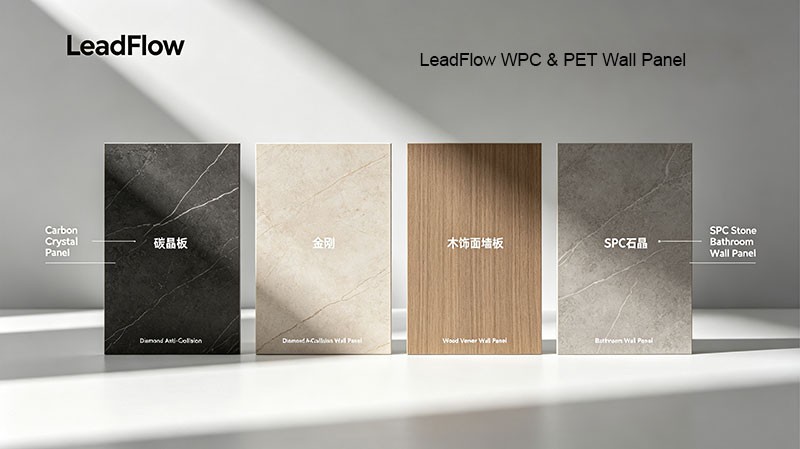
For importers, distributors, and contractors, sourcing WPC wall panels directly from China offers access to a vast range of products, competitive factory pricing, and flexible OEM services. However, a successful procurement strategy requires more than just finding the lowest price. It demands a structured approach to supplier verification, quality control, and logistical planning to ensure a profitable and reliable supply chain.
This guide provides a comprehensive, step-by-step framework for sourcing WPC wall panels from China, designed to help B2B buyers mitigate risks and build a successful long-term partnership with a reliable supplier.
The Strategic Advantage of Sourcing from China
China has established itself as a global manufacturing hub for WPC wall panels, offering significant advantages for international buyers.
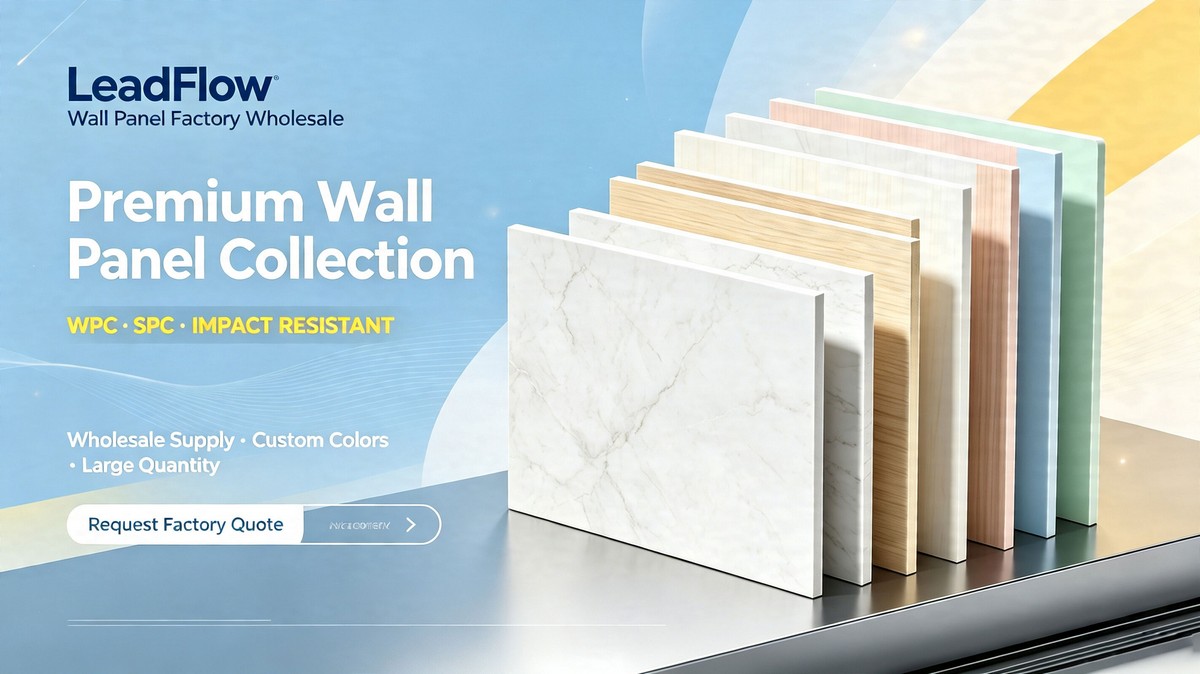
- Extensive Product Variety:Buyers can source a wide array of profiles, including fluted, grooved, and flat panels, along with matching accessories and various surface finishes like wood grain, matte, and high-gloss.
- Direct Factory Pricing:Sourcing directly from a manufacturer eliminates intermediary markups, providing a more competitive cost structure for wholesale and project-based orders.
- OEM and Private Label Flexibility:Many Chinese factories offer robust OEM services, allowing distributors to create a unique brand identity with custom packaging, logos, color names, and even exclusive profiles.
- Proven Export Capability:Experienced suppliers are well-versed in international trade, handling everything from export-compliant packing and documentation to coordinating container loading and shipment.
Manufacturer vs. Trading Company: Making the Right Choice
Understanding the difference between a manufacturer and a trading company is the first critical step in your sourcing journey.
| Supplier Type | Key Advantages | Best For |
|---|---|---|
| Manufacturer | Direct control over production, pricing, and quality. Deeper knowledge of product specifications and mold development. | Importers, distributors, and brands seeking long-term partnerships, repeat orders, and OEM services. |
| Trading Company | Can consolidate various products from multiple factories into a single shipment. | Buyers with smaller, mixed-product orders who need a one-stop-shop solution. |
How to Verify a Potential Supplier
Before discussing prices, it's essential to verify a supplier's legitimacy and capability. This step is crucial for mitigating risk.
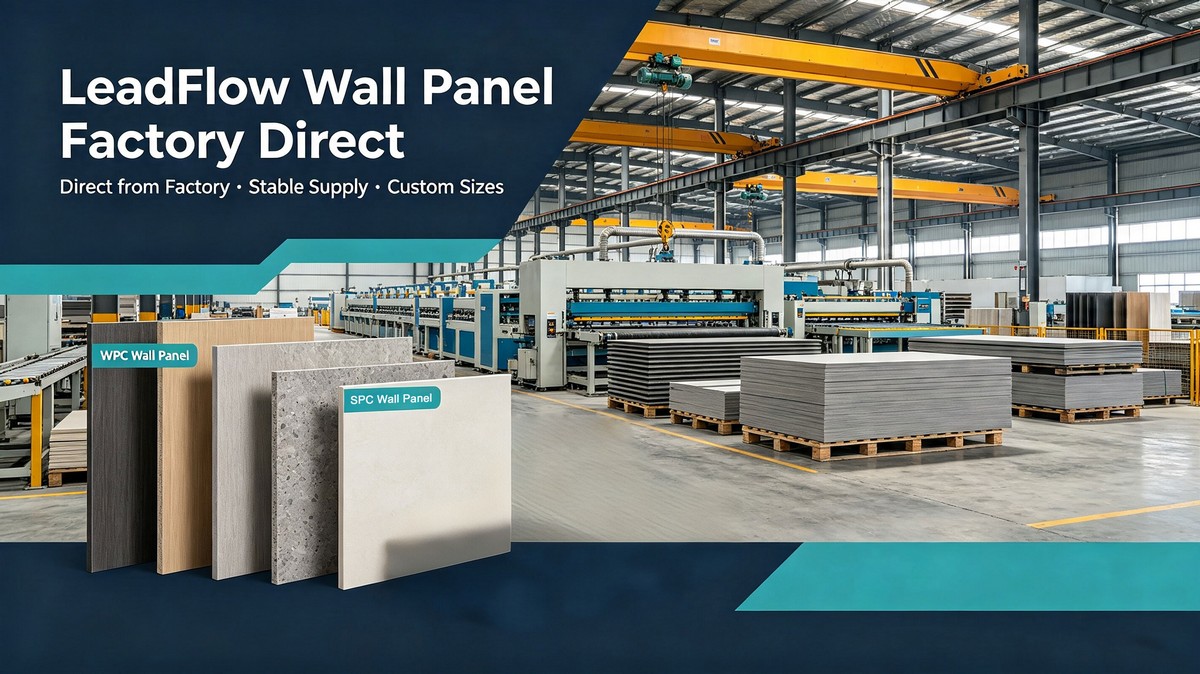
- Request a Virtual Factory Tour: Ask for a live video call to tour the production facility. This confirms they have real extrusion lines, wrapping machines, and a warehouse, not just a sales office.
- Assess Communication: Evaluate their responsiveness, professionalism, and technical knowledge. A reliable partner will ask detailed questions about your project and requirements.
- Check for Export Experience: Inquire about their experience with your target market. They should be familiar with standard export documentation, packing requirements, and Incoterms like FOB and CIF.
- Ask for Client References: A reputable supplier should be able to provide references or case studies from other international clients.
The Critical Role of Sample Approval
Never place a bulk order based solely on catalog photos or digital renders. The sample approval process is your primary quality control checkpoint.
- Request Physical Samples: Always get physical samples of the exact profile, color, and surface finish you intend to order.
- Inspect Thoroughly: Check the sample for dimensional accuracy, surface quality, color consistency, profile depth, and overall rigidity.
- Test Under Different Lighting: View the sample under both natural and artificial light to ensure the color and texture meet your expectations in various environments.
- Keep an Approved Sample: Once approved, keep this sample as a physical reference for all future production runs and quality inspections. This is your guarantee of consistency.
Understanding OEM and Private Label Services
OEM services allow you to differentiate your products in a competitive market. Discuss these options with your supplier early in the process.
- Custom Packaging: Design your own cartons with your company logo, brand colors, and product information.
- Private Labeling: Apply your own barcode labels, product codes, and color names to the packaging.
- Custom Colors: Develop exclusive colors tailored to your market's design trends. Be aware that this often requires a higher Minimum Order Quantity (MOQ).
- Exclusive Profiles: For large-volume buyers, it's possible to develop a custom mold for a unique panel profile, creating a product that is exclusively yours.
Key Factors in Quotation and MOQ
To receive an accurate and comparable quotation, you must provide clear specifications. A vague request will only yield a vague price.
Information Needed for a Quote:
- Product Details: Profile type, total width, thickness, and length.
- Finish: Surface texture (e.g., wood grain, matte) and specific color code or sample.
- Quantity: Estimated order volume in square meters or number of containers.
- Packaging: Neutral export cartons or custom OEM packaging.
- Destination: Port of destination and preferred Incoterm (e.g., FOB Shanghai, CIF Los Angeles).
MOQ Considerations:
The Minimum Order Quantity (MOQ) is not a fixed number. It varies based on your choices:
- Standard Products: Regular profiles and popular colors typically have a lower MOQ, making them ideal for trial orders.
- Customization: Custom colors, private label packaging, or new mold development will significantly increase the MOQ due to setup costs and material preparation.
Planning for Production and Logistics
A clear understanding of the production and shipping timeline is vital for your inventory and project planning.
- Production Lead Time: Confirm the lead time from deposit payment to the goods being ready for shipment. This can range from a few weeks for standard items to over a month for custom orders.
- Quality Control (QC): A professional supplier will have a multi-stage QC process, including checks on raw materials, in-process production, and a final inspection before packing. You can request inspection photos or reports.
- Export Packing: WPC panels are long and can be prone to damage. Ensure the supplier uses strong, export-worthy cartons with adequate corner and edge protection. Palletizing is highly recommended for easier handling.
- Loading Inspection: Request photos of the loaded container before it is sealed. This simple step verifies that the correct quantity and products have been loaded, preventing costly mistakes.
Building a Long-Term Supply Chain
The goal of your first order should be to establish a foundation for a stable, long-term business relationship.
- Document Everything: Keep detailed records of all approved samples, specifications, packaging artwork, and purchase orders.
- Plan for Reorders: Work with your supplier to forecast demand and plan repeat orders, ensuring you maintain optimal inventory levels without stockouts.
- Communicate Feedback: Provide constructive feedback after each order. A good supplier will use this information to improve their service and product quality, strengthening your partnership over time.