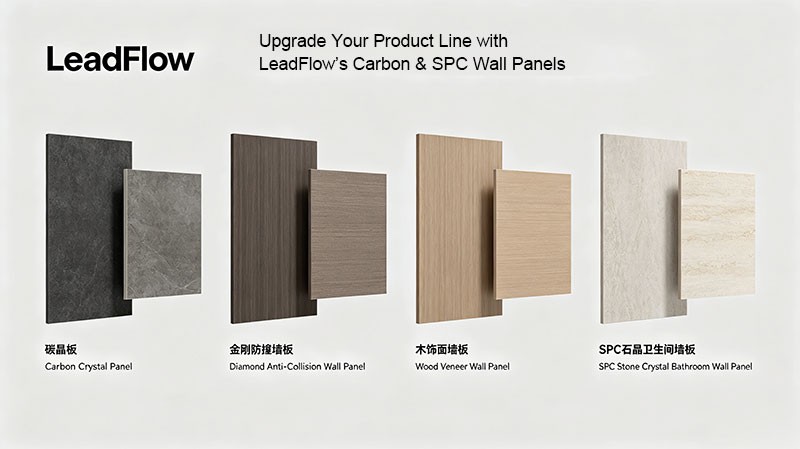
For importers, distributors, and brand owners, sourcing WPC wall panels is more than just a simple purchase; it's an opportunity to build a unique product line. OEM (Original Equipment Manufacturer) and private label services allow you to move beyond generic stock items and create a branded collection tailored to your specific market.
This guide provides a comprehensive overview of the OEM and private label process for WPC wall panels. It covers everything from initial product planning and customization options to quality control and common sourcing mistakes, helping you build a strong and profitable partnership with a manufacturer.
Who Can Benefit from OEM and Private Label Services?
OEM and private label programs are designed for B2B buyers who are focused on long-term business growth rather than one-time transactions. This model is ideal for various types of businesses looking to establish a distinct market presence.
- Importers & Distributors: Build a stable, repeatable product line for your national or regional network of dealers and contractors.
- Wholesalers: Improve your stock planning and sales presentations with consistently branded products and clear SKUs.
- Brand Owners: Create a recognizable wall panel collection with custom colors, profiles, and packaging that reflects your brand identity.
- E-commerce Sellers: Develop exclusive, branded SKUs that stand out from competitors selling generic products.
- Project Suppliers: Ensure specification consistency across multiple commercial or residential sites by using custom-defined products.
The OEM Manufacturing Process: From Concept to Container
A professional OEM process is structured and transparent, ensuring that the final product matches your expectations. It's a collaborative journey that begins long before mass production.
- Requirement Discussion: The process starts with a detailed conversation about your target market, sales channels, application (e.g., residential, commercial), and product positioning.
- Product Specification: You will select the core product details, including the panel profile, dimensions (thickness, width, length), surface finish (e.g., wood grain, matte), and color.
- Feasibility Check: If you require a custom profile, the manufacturer will evaluate the design for technical feasibility and discuss mold development costs and timelines.
- Sampling & Approval: The factory produces samples for your review. This is a critical step to confirm color, finish, profile, and dimensions before any bulk order is placed.
- Packaging Design: For private label orders, you'll work on the packaging artwork, including logo placement, brand name, product codes, and any required multi-language text.
- Quotation & Agreement: A formal quotation is provided based on the confirmed specifications, MOQ, packaging, and shipping terms.
- Mass Production: Once the sample and quotation are approved, bulk production begins, followed by rigorous quality control checks.
- Packing & Shipment: The finished goods are packed according to your specifications, and the manufacturer coordinates the export documentation and container loading.
The Private Label Workflow: Building Your Brand
The private label workflow transforms a standard or customized WPC panel into a market-ready, branded product. This process is designed to make your product easier to sell, stock, and reorder.
Step 1: Product Line Planning Decide on your initial product range. Will you launch with a few best-selling colors or a wider selection for showrooms? Consider your local market preferences and the needs of your target customers (e.g., contractors, retailers).
Step 2: Branding & Packaging Confirmation Provide your logo files and confirm all branding elements. This includes the carton design, label information, product codes, and barcodes. The manufacturer will verify the print feasibility and layout.
Step 3: Final Sample Approval Review and approve the final pre-production sample, which should include the panel itself and a mock-up of the custom packaging. This approved sample becomes the "gold standard" for your bulk order.
Step 4: Production & Quality Control The factory manufactures your order to the exact specifications of the approved sample, with quality checks at every stage to ensure consistency in color, dimensions, and finish.
Step 5: Reorder & Expansion After your first successful order, you can analyze sales data to refine your color mix, add new profiles, or expand your product line based on market feedback.
Customization Options: Profiles, Colors, and Packaging
Customization is the core of an OEM partnership. It allows you to differentiate your products and cater to specific market demands.
Custom Profiles The panel profile defines its visual character and installation method.
- Standard Profiles: Using existing molds is cost-effective and allows for a faster launch, making it ideal for new distributors.
- Custom Profiles: Developing a unique profile offers brand exclusivity and can meet specific project requirements. This involves mold costs and higher MOQs but creates a truly differentiated product.
Custom Colors & Finishes Color is a powerful tool for brand identity and market appeal.
- Color Matching: Manufacturers can match specific color codes or create new shades to align with local design trends, from neutral tones to bold statements.
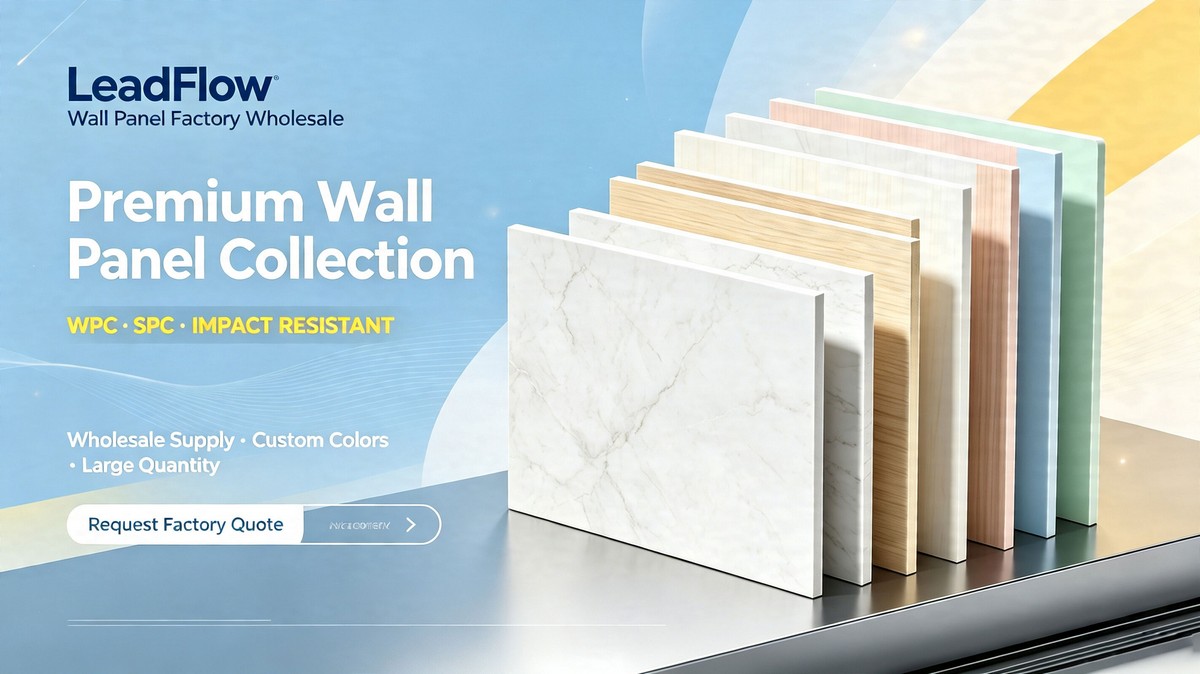
- Surface Finishes: Choose from a variety of finishes, including realistic wood grains, stone effects, fabric textures, or solid matte/gloss colors.
- Color Consistency: A key consideration is ensuring the supplier can maintain color consistency across different production batches for seamless reorders.
Custom Packaging Professional packaging protects your product and elevates your brand.
- Logo Printing: Your logo can be printed on cartons, labels, and installation guides.
- Carton Design: Customize cartons with your brand name, product information, SKUs, and handling instructions in your local language.
- SKU & Labeling System: A clear labeling system with barcodes and product codes is essential for efficient warehouse management and resale.
Understanding MOQs and Lead Times
Minimum Order Quantities (MOQs) and lead times are critical factors in planning your OEM order.
MOQ Considerations The MOQ is not a random number; it's based on production efficiency.
- Standard Products: Orders using standard profiles and colors typically have the lowest MOQ.
- Custom Colors: Custom color matching requires preparing specific surface films or paints, leading to a higher MOQ.
- Custom Packaging: Carton factories have their own MOQs for printing, which affects your overall order quantity.
- Custom Profiles: Developing a new mold requires a significant commitment and a higher bulk order to amortize the mold cost.
Lead Time Planning Customization adds steps to the production timeline. A realistic schedule should account for:
- Sample Production: Time for creating and shipping profile and color samples.
- Packaging Production: Time for designing, approving, and printing custom cartons.
- Material Preparation: Sourcing raw materials and custom color films.
- Mass Production: The actual extrusion, finishing, and packing of your order.
The Critical Role of Sample Approval
Never proceed to mass production without a thorough sample approval process. This is your most important quality control checkpoint.
- Confirm All Details: Check the profile shape, dimensions, color, surface finish, and the feel of the panel.
- Test the Packaging: Review the custom carton for durability, print quality, and accuracy of information.
- Create a Reference: Once approved, keep the sample safe. It will serve as the physical benchmark for your bulk production and all future repeat orders, ensuring long-term consistency.
Common Sourcing Mistakes to Avoid
Being aware of these common pitfalls can save you significant time, money, and frustration.
- Prioritizing Price Over Quality: The cheapest option often leads to compromises in material quality, wall thickness, or packaging, resulting in higher costs from damage or returns.
- Over-customizing on the First Order: Launching with too many custom colors or profiles can create inventory risk. It's often wiser to start with proven options and expand later.
- Neglecting the Sample: Approving a product based on photos is a major risk. Always insist on a physical sample.
- Vague Specifications: Unclear requirements lead to misunderstandings. Provide detailed specifications for profiles, colors, and packaging from the start.
- Ignoring Packaging Strength: Inadequate packaging can lead to product damage during ocean freight. Ensure the cartons are robust enough for export.
SEO Information
Title: Custom WPC Wall Panels: A Guide to OEM & Private Label Manufacturing
Meta Description: A comprehensive B2B guide to OEM and private label manufacturing for WPC wall panels. Learn how to customize profiles, colors, and packaging to build your own brand with a reliable factory.
Keywords: WPC wall panel OEM, private label wall panels, custom WPC panels, WPC panel manufacturer, China wall panel factory, LeadFlow, Factory, Wall Panel