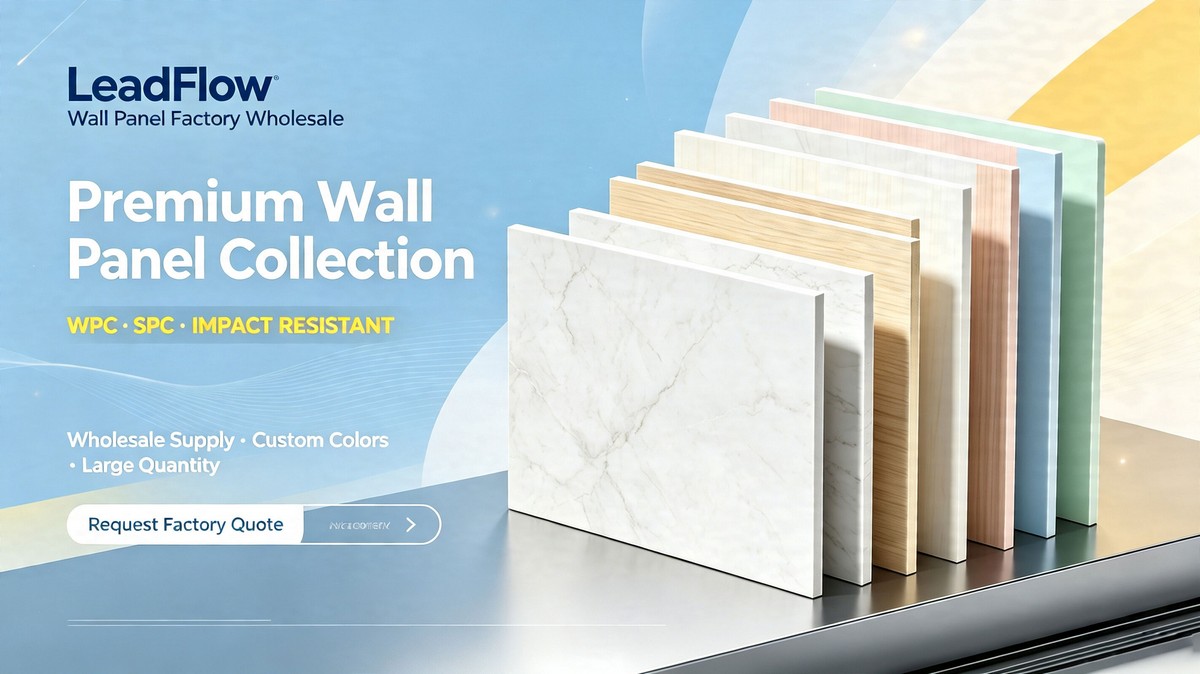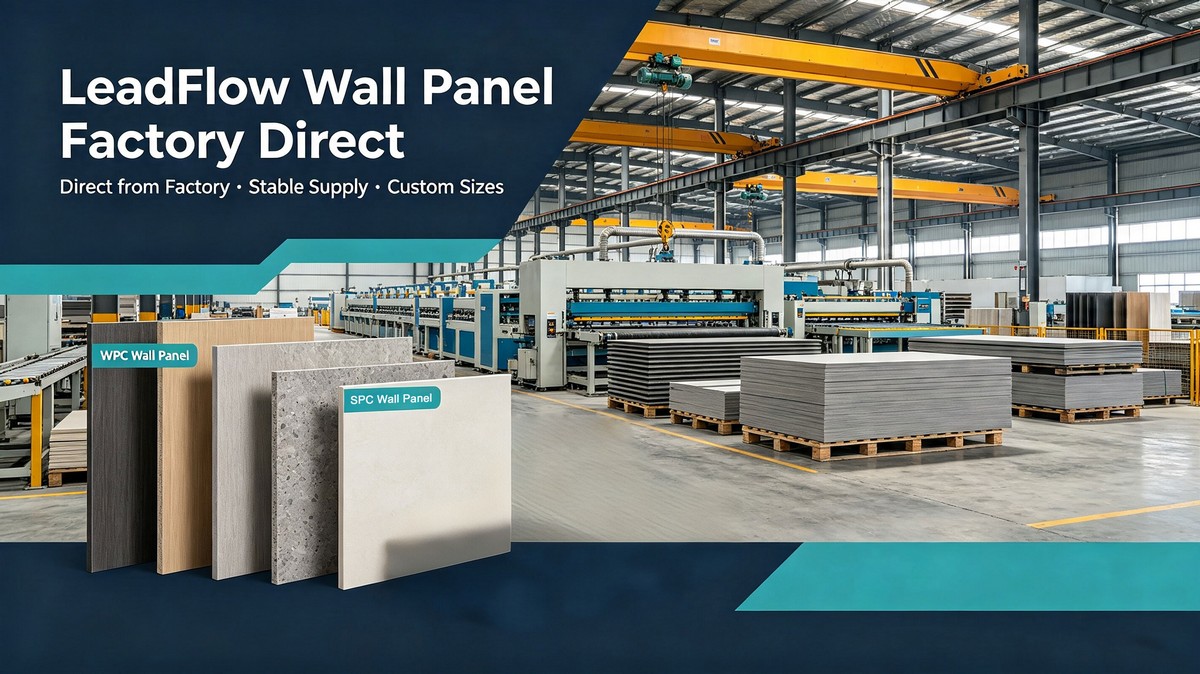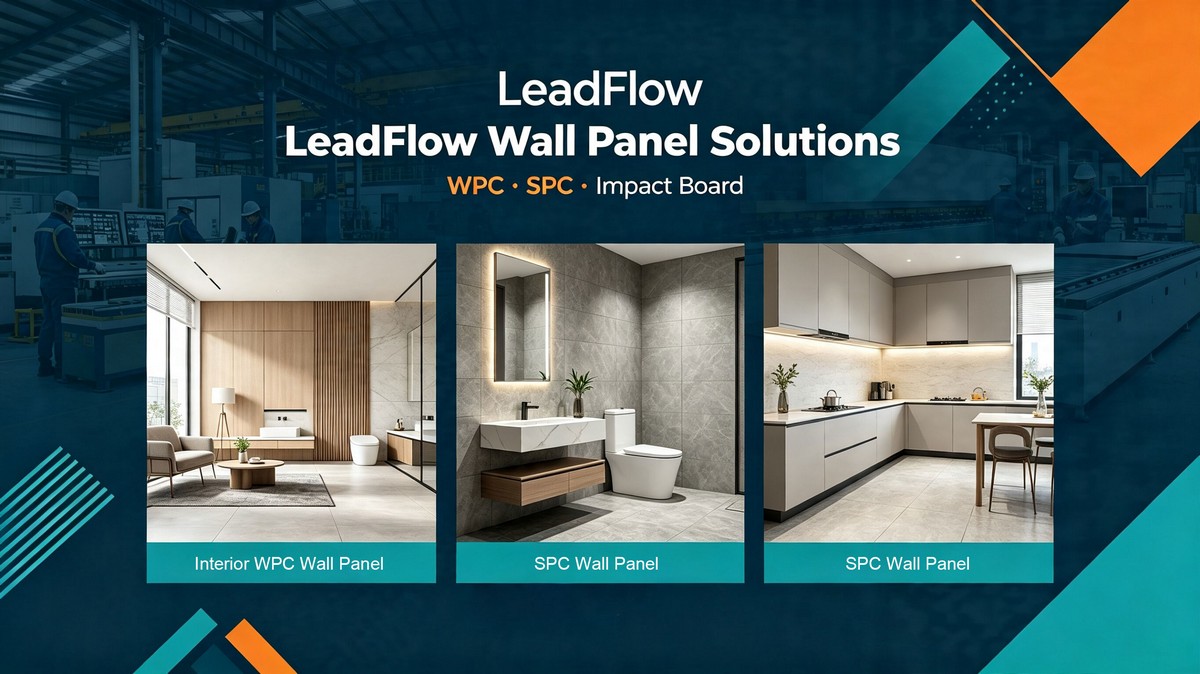
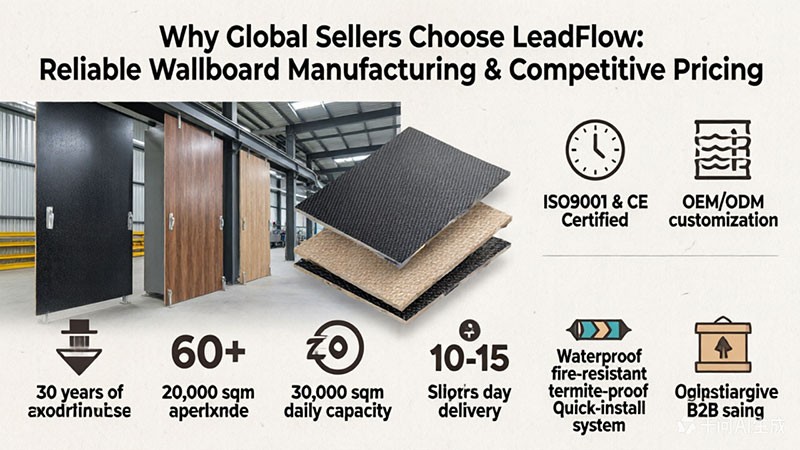
WPC (Wood-Plastic Composite) and SPC (Stone-Plastic Composite) wall panels are revolutionizing modern construction as sustainable alternatives to traditional materials. Though both are eco-friendly, their distinct compositions yield dramatically different performance characteristics.
WPC combines 30-70% wood fibers with thermoplastic resins, resulting in a lightweight material (0.9-1.2 g/cm³) that captures natural wood warmth and texture. Its micro-foam structure delivers excellent sound insulation and allows gentle bending for curved installations. With water absorption between 0.5-1.5%, WPC performs reliably in dry interiors such as living rooms and offices, offering 15-25 years of service. However, prolonged moisture exposure may compromise stability.
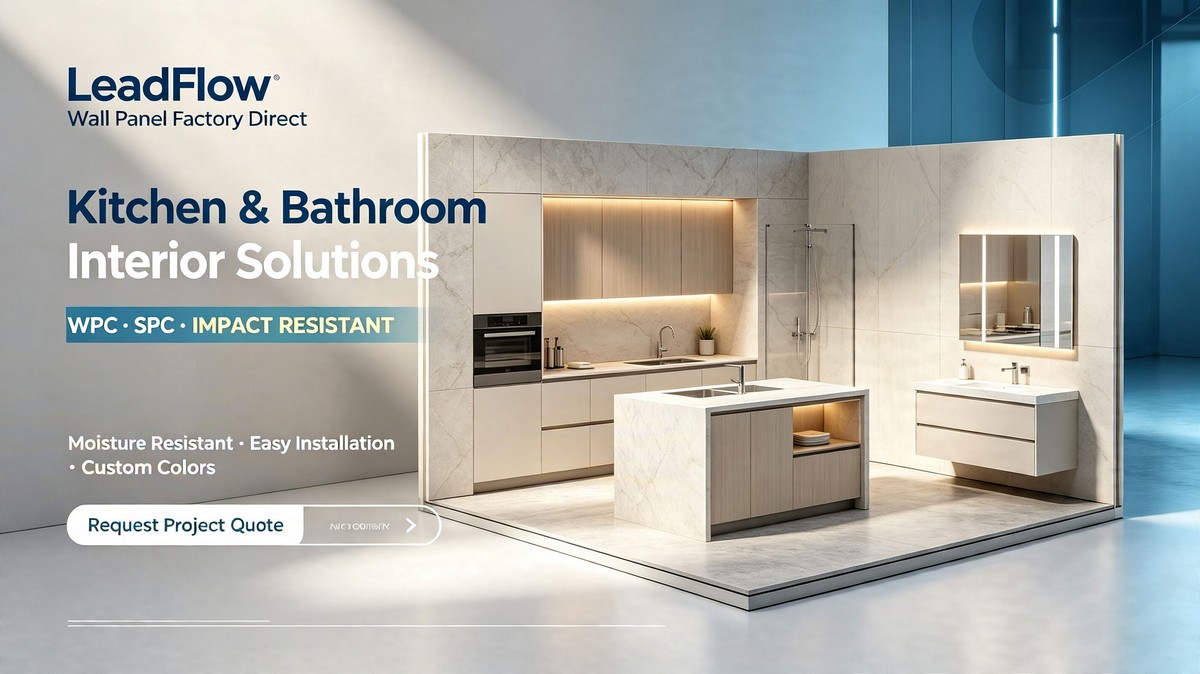
SPC panels integrate 60-75% calcium carbonate with PVC, creating an ultra-dense (1.5-2.1 g/cm³), rigid board. With virtually zero water absorption (<0.1%) and B1 fire resistance, SPC dominates wet environments—bathrooms, kitchens, and basements—while maintaining dimensional stability across extreme temperatures. Its UV-treated surface withstands 20-30 years of use but delivers a harder, cooler touch.
Both systems utilize click-lock or adhesive installation, enabling rapid dry-construction without demolition. Critical requirements include: E0/ENF formaldehyde certifications, uniform substrate coloration indicating virgin materials, and expansion joints every 6-8 meters for WPC and 8-10 meters for SPC.
For absolute waterproofing and commercial durability, specify SPC. For residential warmth, acoustic comfort, and design flexibility, WPC remains the superior choice.