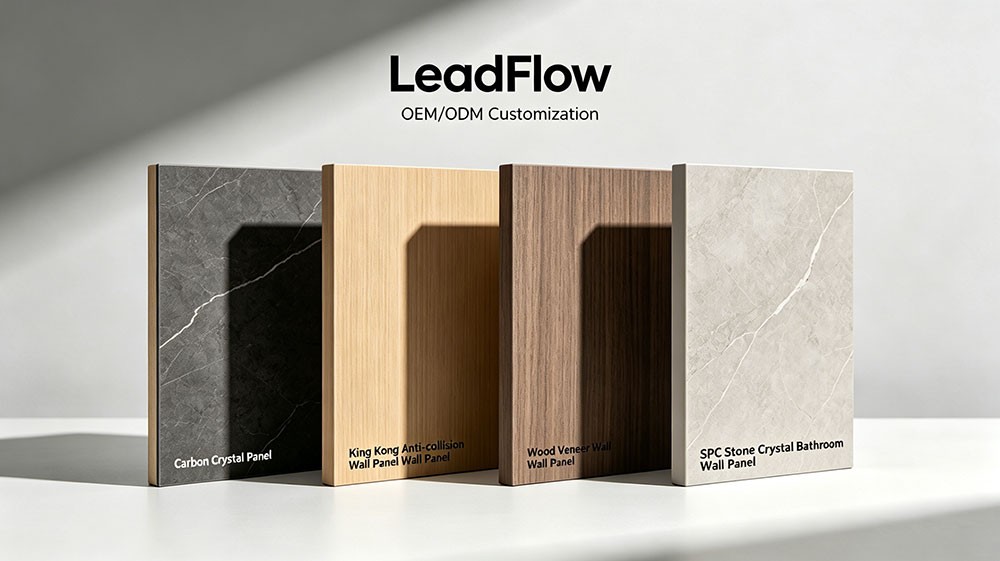
For B2B buyers—importers, distributors, contractors, and project managers—selecting the right interior wall panel is a critical decision. WPC (Wood Plastic Composite) and bamboo fiber panels are two of the most popular choices in the modern decorative materials market. While both offer aesthetic and functional benefits, they are engineered for different applications and project priorities.
This guide provides a detailed comparison to help you determine which material is the superior choice for your specific market, project, or business model.
Understanding the Core Materials
The fundamental difference between these two products lies in their composition, which dictates their performance characteristics.
What are WPC Wall Panels? WPC panels are made from a composite of wood flour/fiber and thermoplastic polymers (like PVC or PE). This mixture is extruded into solid, durable profiles. The high plastic content gives WPC its renowned stability and moisture resistance, making it a robust choice for various interior environments.
What are Bamboo Fiber Wall Panels? Bamboo fiber panels are typically composed of bamboo powder, calcium carbonate, and polymer resins. They are often manufactured as lighter, broader sheets designed for efficient wall coverage. Their formulation prioritizes lightweight properties and decorative versatility for dry interior spaces.
Head-to-Head Comparison
The following table summarizes the key differences to help you make a quick assessment.
| Feature | WPC Wall Panels | Bamboo Fiber Wall Panels |
|---|---|---|
| Core Composition | Wood-plastic composite, creating a dense, solid profile. | Bamboo-polymer composite, often resulting in a lighter panel. |
| Moisture Resistance | Excellent. Ideal for humid areas like bathrooms (dry zones) and kitchens. | Good for dry interiors. Not recommended for high-humidity areas. |
| Primary Aesthetic | 3D, fluted, grooved, and slatted designs for feature walls. | Flat panels with printed finishes like wood grain, marble, or solid colors. |
| Best Application | Feature walls, commercial spaces, hotels, and areas needing texture. | Large surface coverage, residential renovation, and dry interior walls. |
| Installation | Interlocking systems, clips, or adhesives. Requires attention to alignment. | Often uses adhesive for quick coverage of large, flat areas. |
| Cost Factor | Generally higher due to material density and profile complexity. | Often more cost-effective for covering large square meterages. |
Detailed Performance Analysis
To make a fully informed decision, it's important to look beyond the basics and understand the nuances of each material's performance.
Moisture and Water Resistance This is often the deciding factor. WPC panels, with their high polymer content, are highly resistant to water absorption and humidity. They are an excellent choice for interior spaces where moisture is a concern, such as hotel corridors, apartment bathrooms (outside the direct shower area), and basement renovations.
Bamboo fiber panels are suitable for standard, climate-controlled interiors. While they have some resistance, prolonged exposure to high humidity or direct water contact can compromise their integrity. They are best reserved for living rooms, bedrooms, and office spaces.
Fire Performance Fire safety is paramount in commercial and multi-unit residential projects. Both WPC and bamboo fiber panels can be manufactured with fire-retardant additives. However, performance varies significantly between manufacturers and specific product lines.
Crucial Advice for Buyers: Never assume a fire rating. Always request official test reports (such as B1 or other relevant local standards) from your supplier for the exact product model you are purchasing. Your project's safety and compliance depend on verified documentation.
Durability and Impact Resistance WPC panels are known for their structural rigidity and impact resistance. Their solid, extruded profile makes them durable in high-traffic areas like commercial lobbies, retail stores, and hallways where walls might be subject to bumps and scrapes.
Bamboo fiber panels are durable for their intended purpose—decorative wall covering in standard residential and commercial settings. They are less suited for areas prone to physical impact but offer excellent performance as a long-lasting decorative surface.
Design and Aesthetics The choice here is between texture and surface design.
- Choose WPC for Texture: If your project calls for a modern, three-dimensional look with strong vertical lines, fluted details, or a wood-slat aesthetic, WPC is the clear winner. It adds architectural depth and visual interest to a space.
- Choose Bamboo Fiber for Surface Design: If you need to cover large walls with a specific pattern—like a realistic wood grain, a marble effect, or a solid color—bamboo fiber panels offer a wide range of printed designs. They are ideal for creating a specific look over a broad area efficiently.
Choosing the Right Panel for Your Project
The best material depends entirely on the project's specific requirements.
Select WPC Wall Panels When:
- The design requires a 3D, fluted, or grooved feature wall.
- The installation area has elevated humidity levels (e.g., bathrooms, kitchens, basements).
- The project is a high-traffic commercial space requiring maximum durability.
- You want to create a premium, high-impact visual statement.
Select Bamboo Fiber Wall Panels When:
- The primary goal is to cover large wall areas quickly and cost-effectively.
- The project is a residential renovation or new build with standard dry interiors.
- The design calls for a specific flat-surface pattern like wood, stone, or fabric.
- Lightweight panels are preferred for easier handling and installation.
A Note for Distributors and Importers
For businesses building a product portfolio, stocking both materials is a powerful strategy. They are not mutually exclusive but rather complementary.
- WPC Panels can be your premium line for feature walls and commercial projects, offering higher margins and design differentiation.
- Bamboo Fiber Panels can serve as your high-volume solution for whole-house renovations and large-scale projects where budget and speed are key considerations.
By offering both, you can cater to a wider range of client needs, from the contractor looking for a quick bathroom update to the designer specifying a high-end hotel lobby.
How to Vet Your Supplier
Regardless of which material you choose, the quality of the supplier is paramount. Before placing an order, ensure you:
- Request Physical Samples: Evaluate the finish, weight, and locking mechanism firsthand.
- Verify Specifications: Confirm thickness, dimensions, and material composition.
- Ask for Test Reports: Request documentation for fire ratings, moisture resistance, and other relevant performance metrics.
- Review Packaging: Ensure the export packaging is robust enough to protect the panels during sea freight.
- Clarify MOQs and Lead Times: Understand the minimum order quantities and production timelines to plan your inventory or project schedule effectively.