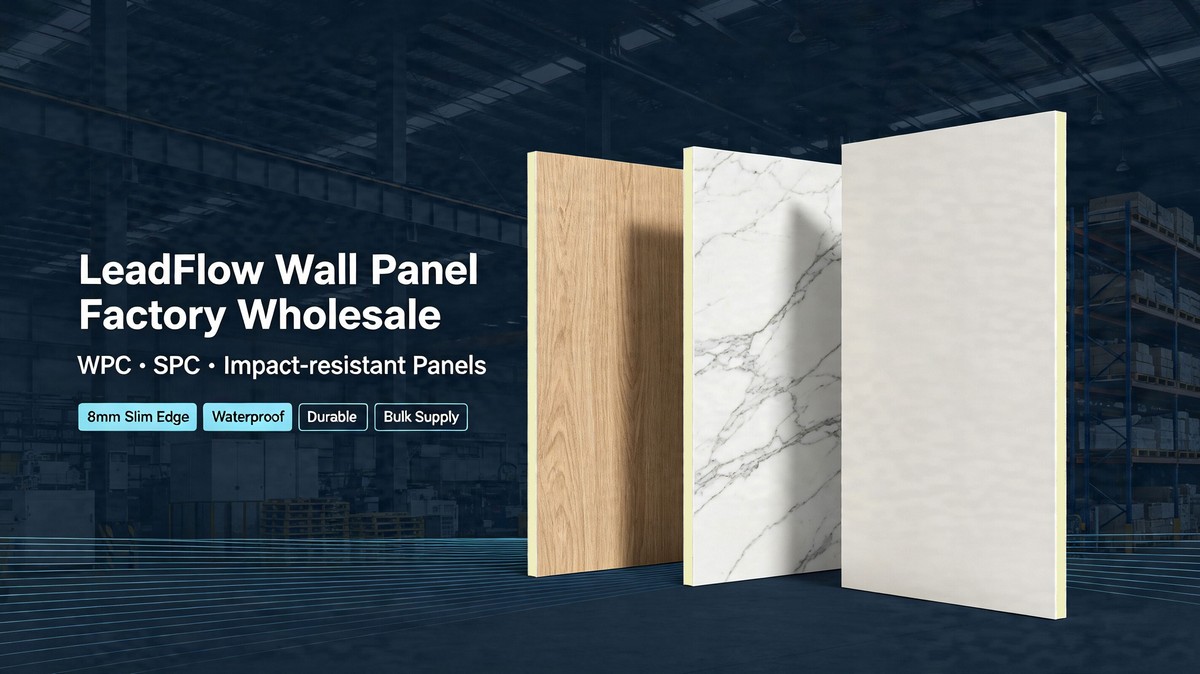
Looking for high-demand interior cladding? Discover why LeadFlow WPC wall panels offer the perfect balance of durability, aesthetics, and profit margins for distributors and contractors. Get the technical breakdown here.
Introduction: The Shift in Interior Cladding
In the competitive world of interior design and construction, your clients—whether they are hotel chains, office managers, or homeowners—are demanding materials that look premium but require zero maintenance. As a distributor or contractor, sourcing a product that balances beauty, durability, and cost-effectiveness is key to your bottom line.
At LeadFlow, we specialize in manufacturing advanced cladding solutions. Today, we’re putting the spotlight on our bestseller: WPC (Wood Plastic Composite) Wall Panels. We’ll break down what they are, their pros and cons, and how they stack up against other options like SPC and traditional wood.
1. What Exactly Are WPC Wall Panels?
WPC stands for Wood Plastic Composite. It’s an engineered material made by combining recycled wood fibers (or flour) with thermoplastics (like PVC or PE), along with specific additives for stability.
Unlike natural wood, WPC undergoes an extrusion process that creates a homogenous, dense core. At LeadFlow, our WPC panels feature a realistic decorative film layer protected by a wear-resistant UV coating. The result is a panel that captures the authentic texture of oak, walnut, or teak without the environmental vulnerabilities of real timber.
2. The Competitive Edge: Advantages of LeadFlow WPC
Why are B2B buyers shifting their inventory toward WPC? Here are the selling points you can take directly to your customers:
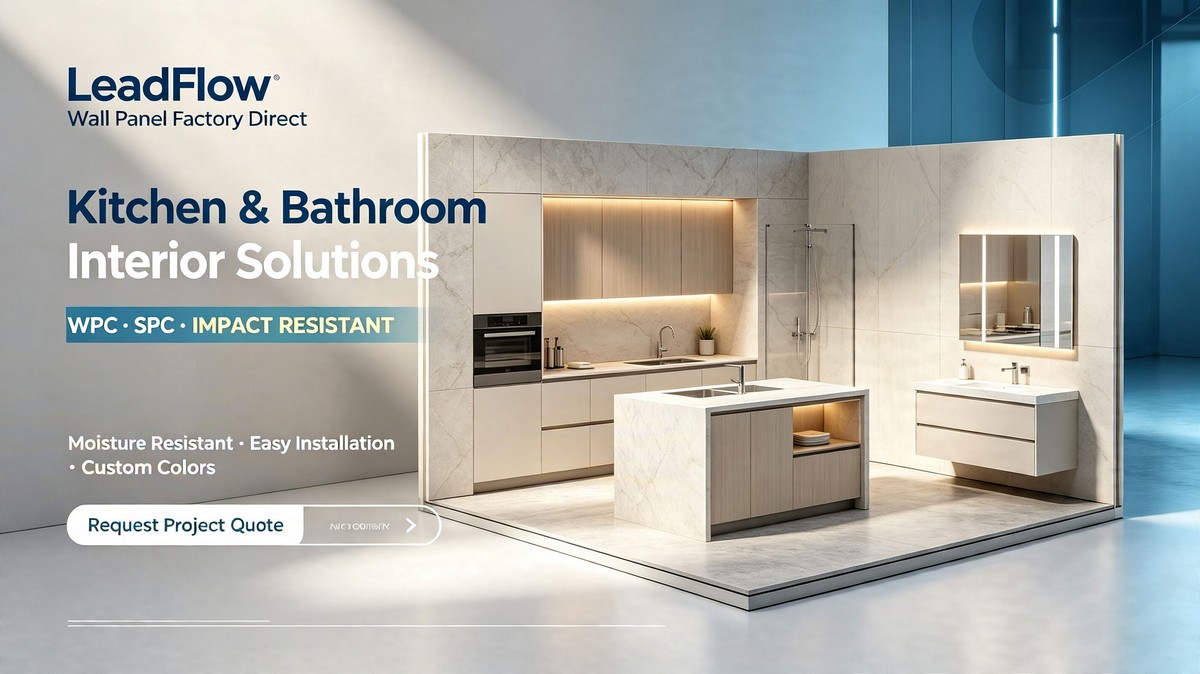
100% Waterproof & Moisture-Proof: Unlike MDF or solid wood, WPC doesn't swell, rot, or warp when exposed to humidity. This makes it ideal for bathrooms, kitchens, basements, and commercial laundries.
Termite & Insect Resistant: The plastic matrix and lack of cellulose food source make these panels completely resistant to pests—a major selling point in tropical markets.
Low Maintenance: No painting, no sealing, no polishing. A simple wipe-down keeps the panels looking new. This significantly reduces the lifecycle cost for the end-user.
Easy & Fast Installation: LeadFlow WPC panels feature a precision click-lock system. They can be installed over existing surfaces (like old tiles or uneven walls), saving labor hours and reducing installation dust—a huge plus for renovation projects.
Eco-Friendly Credentials: Our production utilizes recycled wood and plastic materials, meeting stringent international green building standards.
3. Addressing the Limitations (Transparency Builds Trust)
As a professional supplier, we believe in transparency. While WPC is versatile, there are a few considerations:
Thermal Expansion: Like all composites, WPC expands and contracts with temperature fluctuations. However, LeadFlow’s precision engineering and installation guidelines (leaving expansion gaps) mitigate this issue effectively.
Weight: WPC is denser than PVC panels. While this adds to its premium feel and sound insulation, it requires proper handling during transport.
UV Resistance: Standard WPC is designed for interior use. For exterior applications, we recommend our specialized WET (Weather-Resistant) series.
4. Product Comparison: WPC vs. SPC vs. Traditional Wood
To help you position WPC correctly in your market, here is a quick comparison:
Feature LeadFlow WPC Wall Panels LeadFlow SPC Wall Panels Traditional Wood / MDF
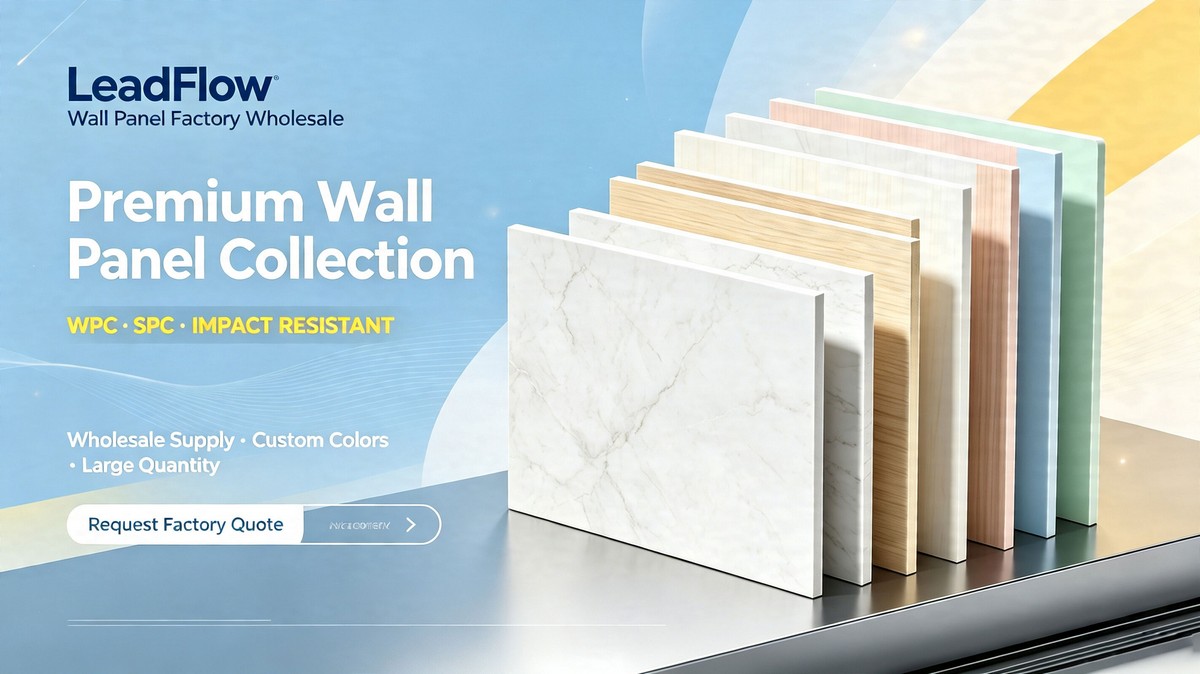
Composition Wood fiber + Plastic Stone powder + Plastic Natural Timber / Fiberboard
Texture & Feel Warm, natural wood grain Hard, stone-like, rigid Authentic wood feel
Water Resistance Excellent (100% Waterproof) Superior (100% Waterproof) Poor (Prone to rot/mold)
Impact Resistance High Very High (Harder surface) Medium (Dents easily)
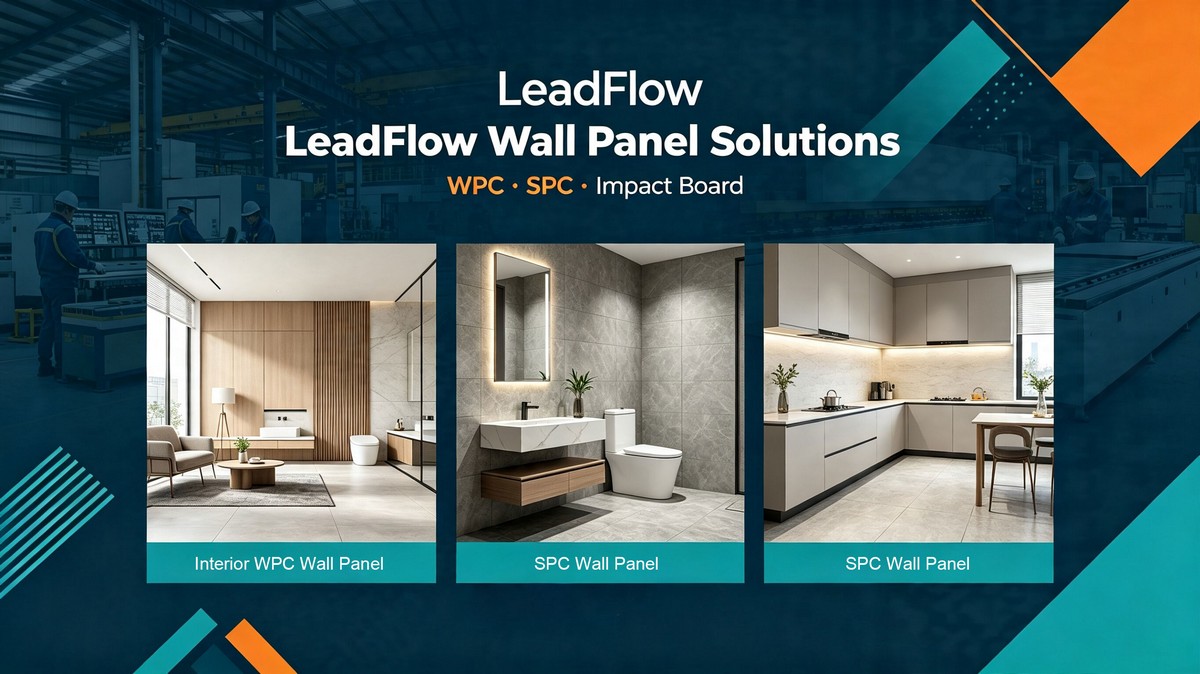
Best Application Living rooms, bedrooms, hotels, ceilings High-traffic areas, labs, hospitals Luxury villas, dry areas only
Installation Click-lock, DIY friendly Click-lock, heavier Nails, glue, professional required
Summary: Choose WPC for residential and hospitality projects where warmth and acoustic comfort are priorities. Choose SPC for extreme durability in clinical or high-impact environments.
5. Why Partner with LeadFlow?
Sourcing from LeadFlow means more than just buying panels; it means securing a reliable supply chain.
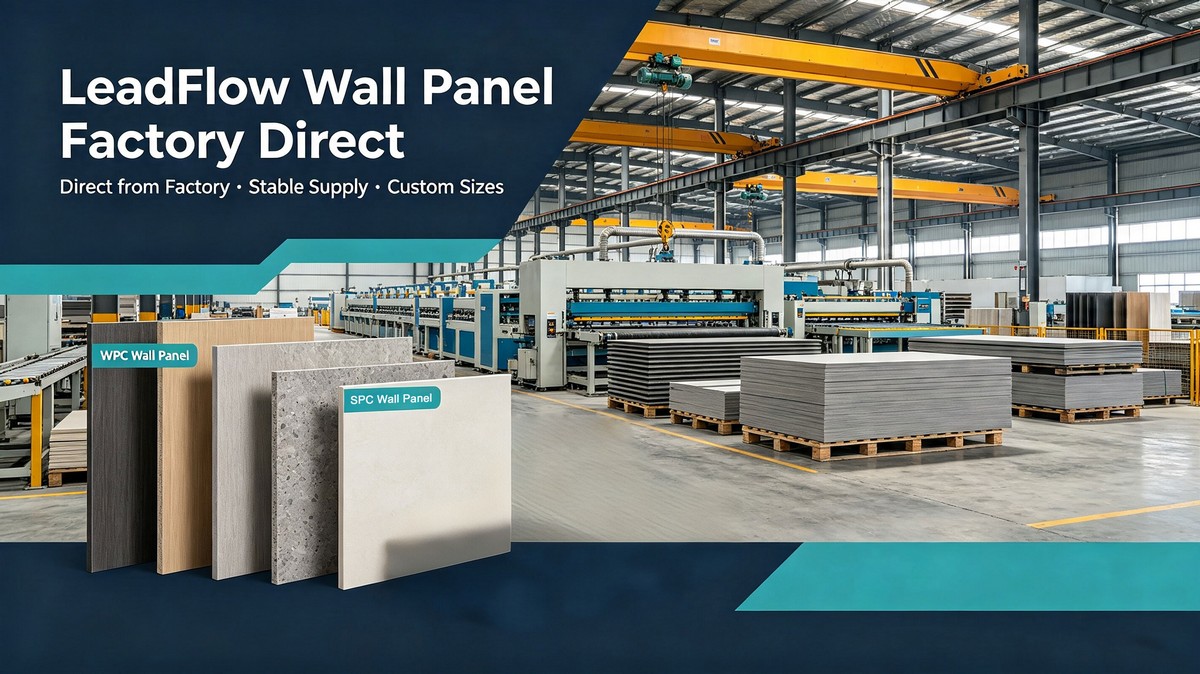
Consistent Quality Control: Our factory utilizes German extrusion lines ensuring color consistency across batches—critical for large-scale projects.
Customization: We offer OEM/ODM services, including custom colors, embossing textures, and laser-cut patterns (such as our popular Grille designs).
Logistics Support: We have extensive experience shipping to North America, Europe, Australia, and the Middle East. We handle documentation and container loading efficiently to minimize your port fees.
Conclusion: Stock the Future of Interiors
WPC wall panels represent a high-margin, low-return category for distributors. They solve the age-old problem of "beauty vs. durability."
Ready to test the market or need samples for your showroom?
Contact LeadFlow today to request a catalog and a competitive factory quote.