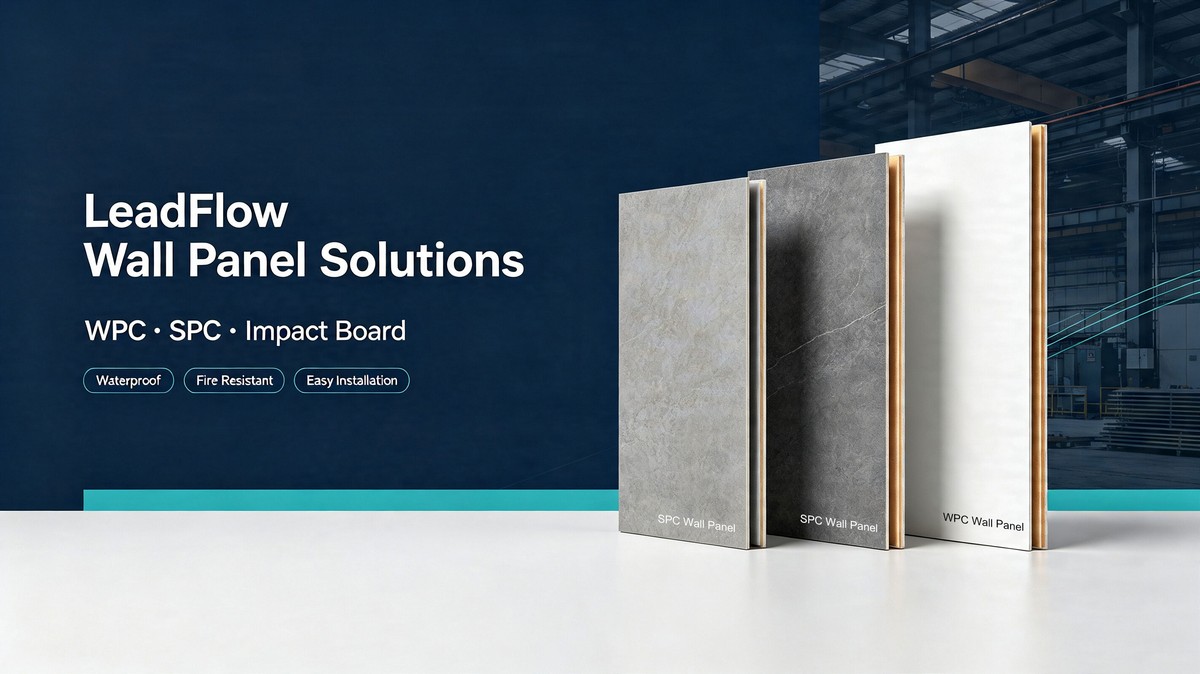
The WPC (Wood Plastic Composite) Wall Panel industry has seen significant growth, driven by the demand for sustainable and durable building materials. However, navigating the challenges of extreme environments and special application scenarios remains a critical aspect of product development and supply chain management. This article delves into the complexities faced by WPC Wall Panel suppliers and manufacturers, exploring the resilience of these products in diverse conditions.
Understanding Extreme Environments
Extreme environments pose unique challenges for WPC Wall Panels. These conditions include high temperatures, humidity, UV radiation, and harsh weather elements. The primary concern is maintaining the structural integrity and aesthetic appeal of the panels while ensuring they do not degrade over time.
High temperatures can cause expansion and contraction, potentially leading to warping or cracking. Conversely, extreme cold can make the panels brittle, increasing the risk of damage. High humidity and UV radiation can lead to fading and discoloration, affecting the panel's appearance. Suppliers and manufacturers must use high-quality raw materials and advanced technologies to mitigate these effects.
Special Application Scenarios
Special application scenarios, such as marine environments, chemical plants, or outdoor sports facilities, require WPC Wall Panels to meet specific standards. For instance, marine environments demand panels that are resistant to saltwater and corrosion. In chemical plants, the panels must be non-reactive and able to withstand chemical exposure. Outdoor sports facilities require panels that can withstand heavy use and weathering.
WPC Fluted Wall Panels, for example, offer excellent ventilation and sound absorption properties, making them ideal for sports facilities. Meanwhile, SPC Wall Panel wholesale suppliers must ensure their products have the necessary certifications and quality controls to meet these specialized requirements.
Technological Innovations and Solutions
Advancements in technology have significantly enhanced the performance of WPC Wall Panels in challenging environments. One key innovation is the use of modified resins and additives that improve the panels' resistance to heat, cold, and moisture. Another is the development of UV-resistant coatings that protect the panels from fading and discoloration.
Additionally, manufacturers are exploring biodegradable materials and recycled plastics to create more sustainable WPC Wall Panels. This not only addresses environmental concerns but also caters to the growing demand for eco-friendly building materials. Suppliers must stay abreast of these technological advancements to offer their customers the most up-to-date and sustainable solutions.
Key Takeaways
- WPC Wall Panels face challenges in extreme environments, such as high temperatures, humidity, and UV radiation.
- Special application scenarios require customized solutions to meet specific standards and conditions.
- Technological innovations are crucial for enhancing the resilience of WPC Wall Panels.
- Sustainable and eco-friendly solutions are increasingly important in the WPC Wall Panel industry.
FAQ
Q: Can WPC Wall Panels be used in outdoor settings?
A: Yes, WPC Wall Panels are designed to withstand outdoor conditions, including UV radiation and weathering.
Q: Are WPC Wall Panels suitable for marine environments?
A: Yes, marine-grade WPC Wall Panels are specifically designed to be resistant to saltwater and corrosion.
Q: How can WPC Wall Panels be made more eco-friendly?
A: By using biodegradable materials and recycled plastics, manufacturers can create more sustainable WPC Wall Panels.