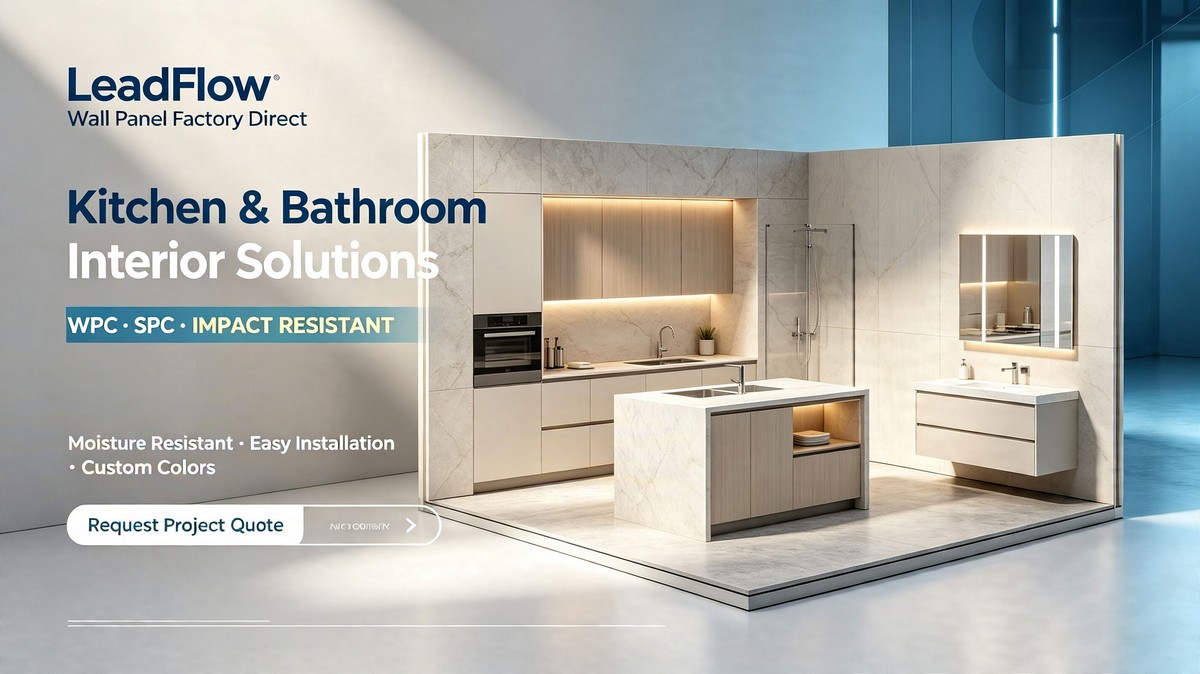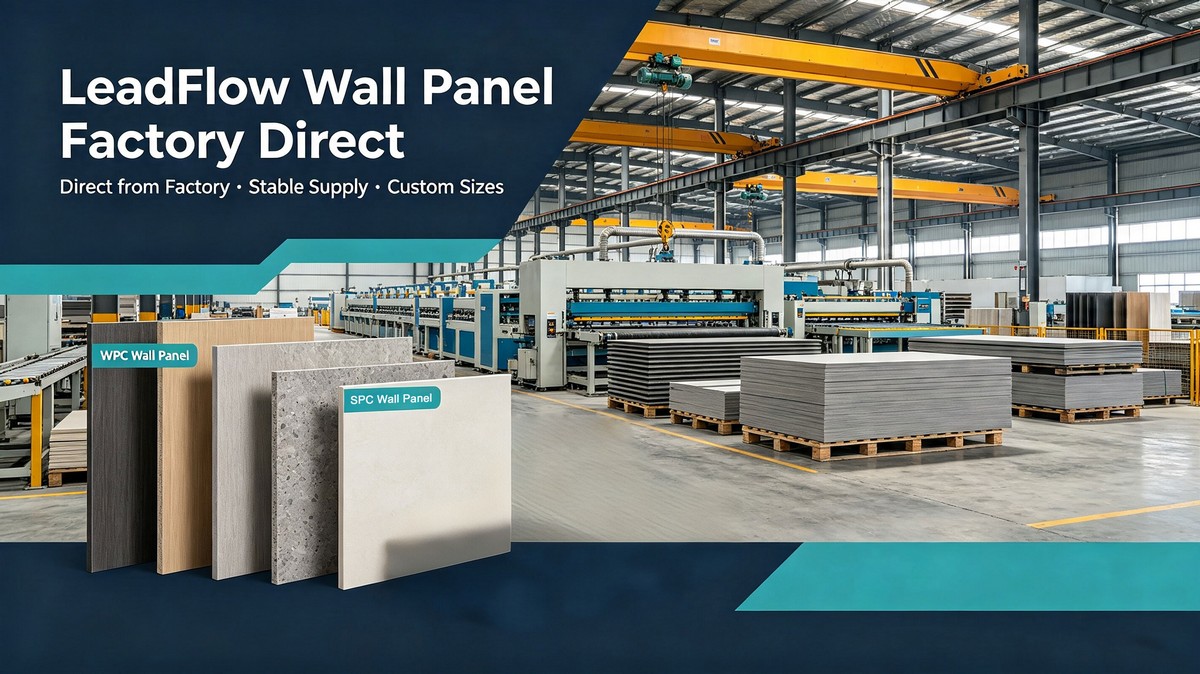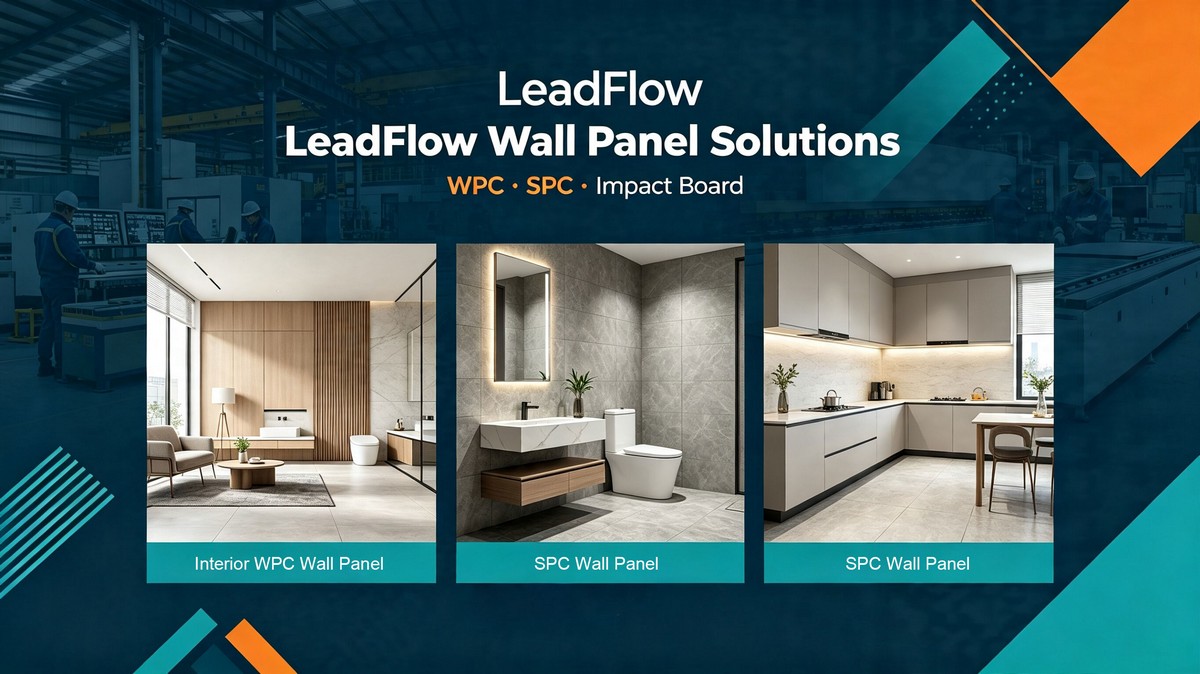
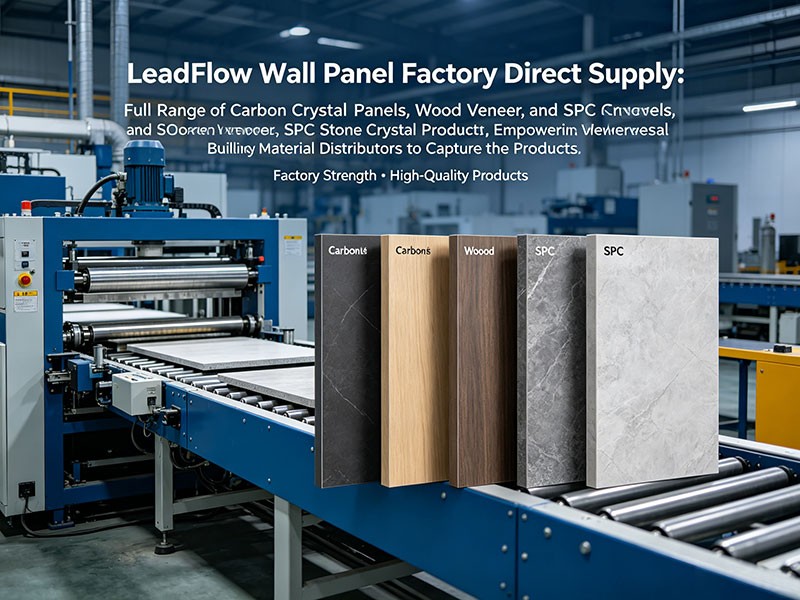
The WPC Wall Panel industry is experiencing a surge in innovative surface treatment processes and customization capabilities, offering a vast array of options to architects, designers, and homeowners.
Understanding Surface Treatment in WPC Wall Panels
Surface treatment is a crucial aspect of WPC Wall Panels, influencing their aesthetics, durability, and functionality. It involves various techniques that can enhance the panel's performance and appeal.
Common Surface Treatment Processes
1. UV Coating: This process involves applying a UV-resistant coating to the panel's surface, which not only enhances the color and finish but also provides protection against fading and scratching.
2. Thermal Foil Printing: This method uses a heated roller to bond a printed film to the panel, allowing for intricate designs and patterns that mimic natural materials like wood, stone, and marble.
3. Carbon Crystal Coating: Carbon Crystal Wall Panel factories have developed a unique process that incorporates a carbon crystal finish, providing a high-end, luxurious look with excellent resistance to wear and tear.
Customization Capabilities
Customization in WPC Wall Panels has become increasingly sophisticated, allowing for a wide range of design options:
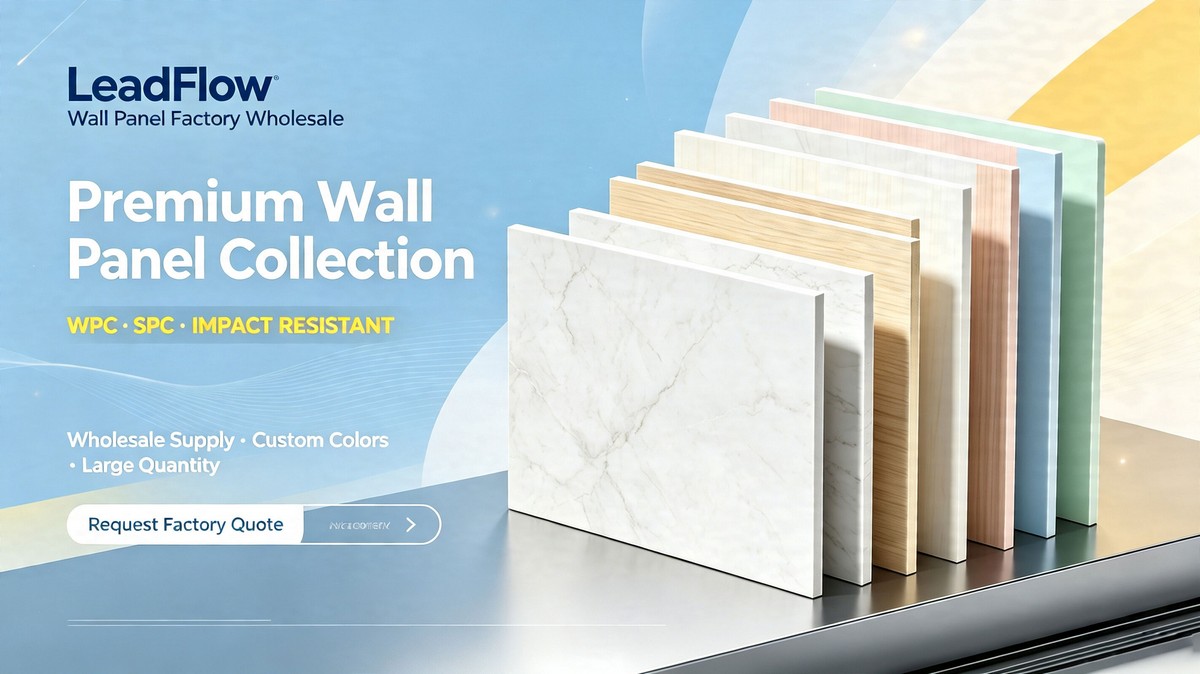
1. Color and Finish: Clients can choose from a variety of colors and finishes, including wood grain, marble, and solid colors.
2. Pattern and Texture: Custom patterns and textures can be applied to create unique designs that stand out in any setting.
3. Size and Shape: Panels can be cut to specific sizes and shapes, accommodating unusual wall dimensions and architectural features.
Key Takeaways
- Surface treatment processes enhance the aesthetic and functional aspects of WPC Wall Panels.
- UV Coating, Thermal Foil Printing, and Carbon Crystal Coating are common treatments.
- Customization capabilities offer a wide range of design options for clients.
FAQ
Q: What is the primary benefit of UV Coating on WPC Wall Panels?
A: UV Coating provides protection against fading and scratching, enhancing the panel's longevity and appearance.
Q: Can WPC Wall Panels be customized for specific architectural needs?
A: Yes, they can be cut to specific sizes and shapes, and various designs and textures can be applied to meet unique architectural requirements.
Q: Are Carbon Crystal Wall Panels more durable than traditional WPC Wall Panels?
A: Yes, the carbon crystal finish offers excellent resistance to wear and tear, making them more durable.
Q: How does Thermal Foil Printing affect the design options for WPC Wall Panels?
A: Thermal Foil Printing allows for intricate designs and patterns, enabling a wide range of aesthetic choices that mimic natural materials.
Conclusion & Outlook
The WPC Wall Panel industry is evolving with advanced surface treatment processes and extensive customization capabilities. As the demand for unique and durable wall solutions continues to grow, these innovations are expected to play a pivotal role in shaping the future of interior and exterior design.
Looking for competitive pricing? Request a quote now and let us help you source the right materials.