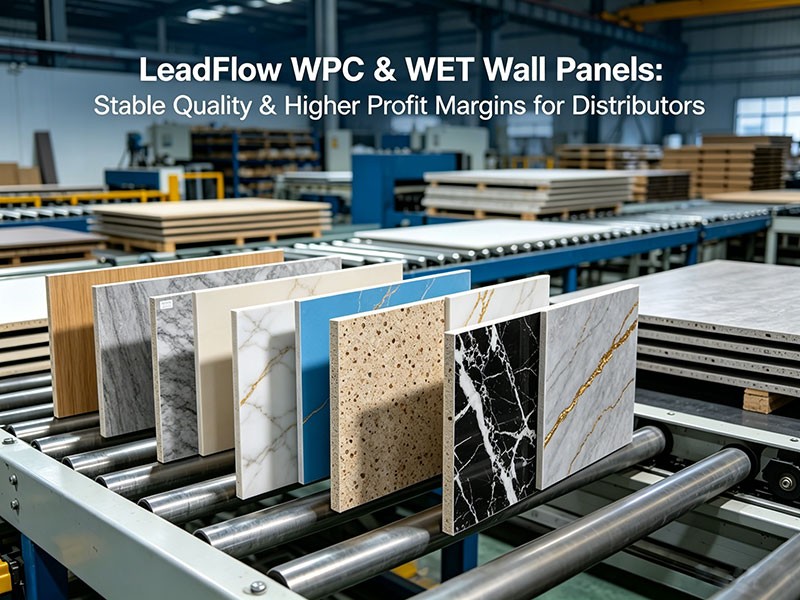
The construction industry has been under increasing pressure to adopt greener practices, and the WPC Wall Panel industry is no exception. With a growing focus on reducing carbon emissions and promoting sustainability, this article delves into the life cycle carbon footprint of WPC Wall Panels and their impact on the environment.
Introduction to WPC Wall Panels
WPC (Wood Plastic Composite) Wall Panels have gained popularity for their durability, aesthetic appeal, and environmental benefits. These panels are made from recycled wood fibers and plastic, offering a sustainable alternative to traditional building materials.
Life Cycle Carbon Footprint of WPC Wall Panels
The life cycle carbon footprint of a product encompasses all stages from raw material extraction to manufacturing, use, and disposal. For WPC Wall Panels, the carbon footprint is significantly lower compared to traditional materials like wood or concrete.
Key Takeaways:
- WPC Wall Panels are made from recycled materials, reducing the need for new resource extraction.
- During manufacturing, the carbon footprint is minimized through energy-efficient processes.
- WPC Wall Panels have a longer lifespan, reducing the need for frequent replacements and further lowering the carbon footprint.
Carbon Crystal Wall Panel Factory: A Leader in Sustainable Manufacturing
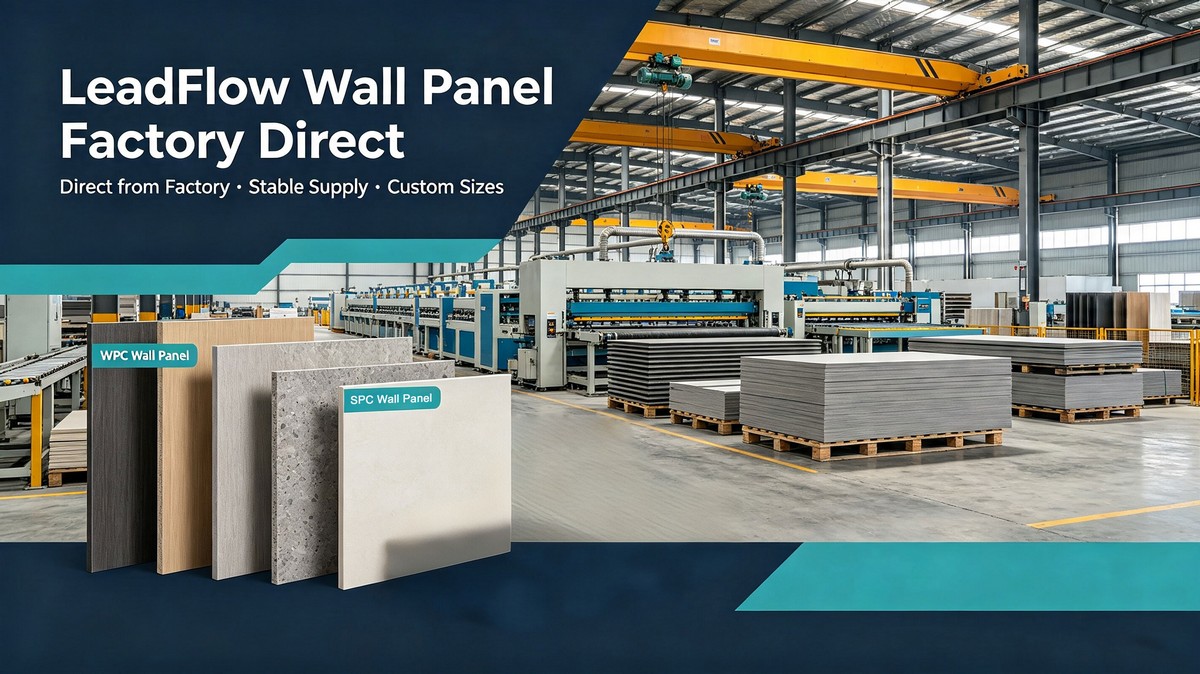
Carbon Crystal Wall Panel factory is a notable name in the WPC Wall Panel industry, known for its commitment to sustainability. The factory employs advanced technologies to reduce its carbon footprint during the manufacturing process.
UV Marble Sheet Manufacturer: Enhancing Aesthetics with Eco-Friendly Practices
UV Marble Sheet manufacturers are also integrating sustainable practices into their production processes. By using high-quality, eco-friendly materials, these manufacturers are able to offer products that are both visually appealing and environmentally responsible.
WPC Fluted Wall Panels Supplier: Balancing Performance and Sustainability
WPC Fluted Wall Panels suppliers are focusing on developing products that offer superior performance while also minimizing their environmental impact. This balance is achieved through innovative design and the use of sustainable materials.
Conclusion & Outlook
The WPC Wall Panel industry is at the forefront of green sustainability, with a growing focus on reducing the carbon footprint and promoting sustainable practices. As the industry continues to evolve, it is expected that more innovative solutions will emerge, further enhancing the environmental benefits of WPC Wall Panels.
FAQ
Q: How do WPC Wall Panels contribute to sustainability?
A: WPC Wall Panels are made from recycled materials, reducing the need for new resource extraction. They also have a longer lifespan, reducing the need for frequent replacements.
Q: What are the environmental benefits of WPC Wall Panels?
A: WPC Wall Panels have a lower carbon footprint compared to traditional materials like wood or concrete. They also contribute to reducing waste and promoting recycling.
Q: How are WPC Wall Panels manufactured to minimize their carbon footprint?
A: Manufacturers use energy-efficient processes and recycled materials to minimize the carbon footprint during the production of WPC Wall Panels.
Key Takeaways
- WPC Wall Panels are a sustainable alternative to traditional building materials.
- They have a lower carbon footprint and longer lifespan.
- Manufacturers are increasingly focusing on sustainable practices.
Ready to elevate your next project? Get free samples today and experience the quality firsthand.