Across global interior decoration and building material markets, the demand for durable, stylish, and low-maintenance wall finishing solutions has never been stronger — and few products capture this momentum like the carbon crystal wall panel. At the center of this fast-growing category stands a specialized and rapidly maturing manufacturing ecosystem: the Carbon Crystal Wall Panel factory. From core formulation and film lamination to certification and OEM customization, these factories are redefining how distributors, contractors, and design firms source decorative wall cladding. This report examines how modern carbon crystal panel production works, what separates leading manufacturers from the rest, and how the category fits within the broader supply chain alongside SPC, WPC, and UV marble products.
Key Takeaways
• A carbon crystal wall panel combines a rigid, carbon-enhanced core with a protective decorative surface, delivering high hardness, moisture resistance, and strong flame-retardant performance compared with conventional PVC-based alternatives.
• Leading factories differentiate through automated lamination lines, strict formaldehyde emission control, and internationally recognized certifications such as CE marking and ISO quality management systems.
• Buyers increasingly favor multi-category factories that can supply carbon crystal panels alongside SPC Wall Panel wholesale programs, UV marble sheets, and WPC wall cladding, simplifying procurement and reducing logistics costs.
• Customization capacity (OEM/ODM), sustainability credentials, and delivery reliability are becoming as decisive as unit price in factory selection.
What Is a Carbon Crystal Wall Panel? Definition and Material Characteristics
A carbon crystal wall panel is an interior wall cladding product built on a rigid core board — commonly a calcium silicate–based substrate or a fiber-reinforced composite — whose surface is treated with carbon crystal material and finished with a PET decorative film or a UV-cured coating. The result is a panel that combines a hard, scratch-resistant matte surface with strong waterproof performance, flame retardancy, and low formaldehyde emissions.
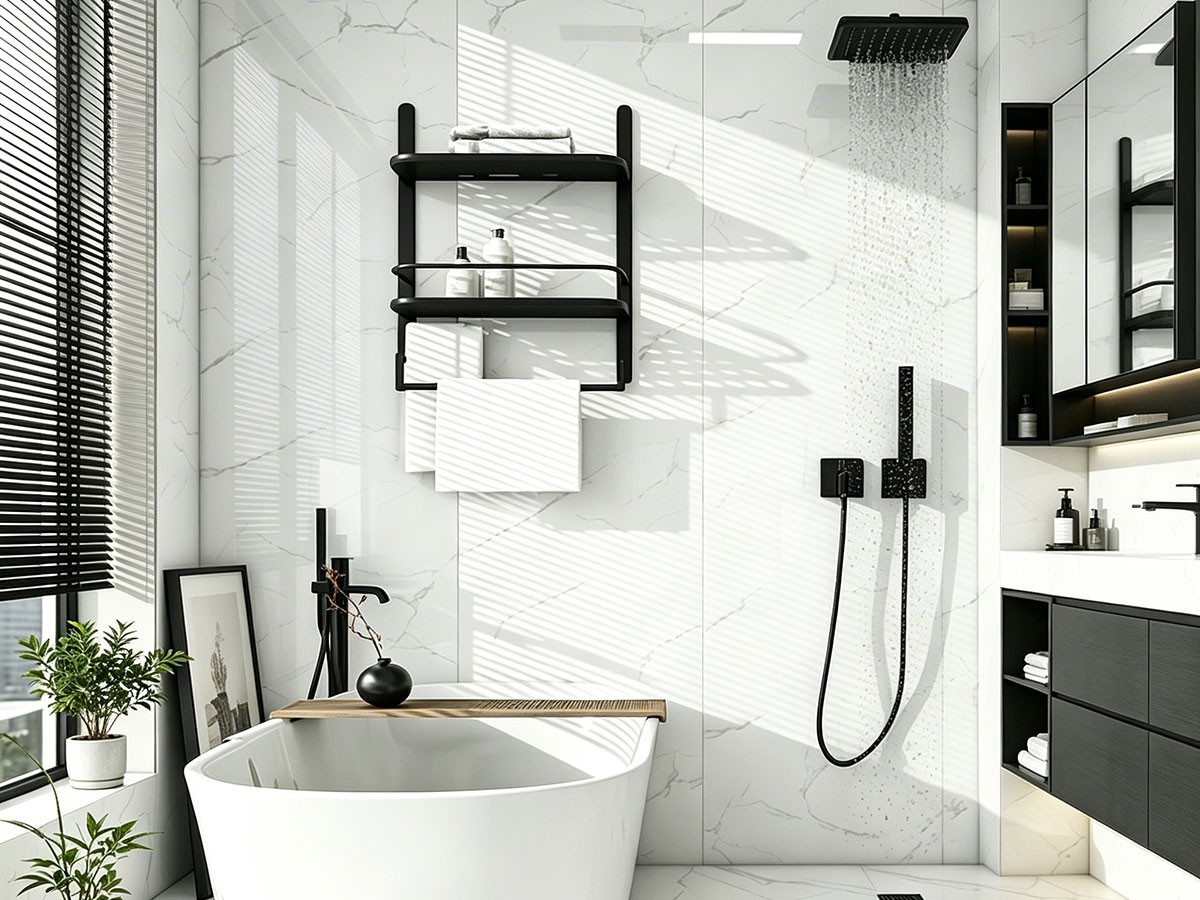
Compared with wallpaper, paint, or gypsum-based finishes, carbon crystal panels install faster through interlocking or adhesive systems, require minimal maintenance, and offer a premium visual texture suited to hospitality, retail, residential, and office projects. Their matte, stone-like and fabric-inspired finishes have proven especially popular in modern minimalist and japandi-style interiors, driving demand across Asia, the Middle East, Europe, and the Americas.
Buyers should note that 'carbon crystal' describes a surface technology and material enhancement rather than one standardized material. Core density, film adhesion, fire classification, and emission levels vary between factories, which makes production-side due diligence a critical step in supplier evaluation.
Inside the Carbon Crystal Wall Panel Factory: Production Process and Quality Control
Modern carbon crystal wall panel manufacturing follows a multi-stage process in which precision at each step determines the durability and appearance of the finished product. The core stages are:
1. Core board production. Mineral fillers, fibers, and additives are blended and pressed into rigid base boards with tightly controlled thickness tolerances. Consistent core flatness is essential, as any warp or deviation becomes visible after lamination.
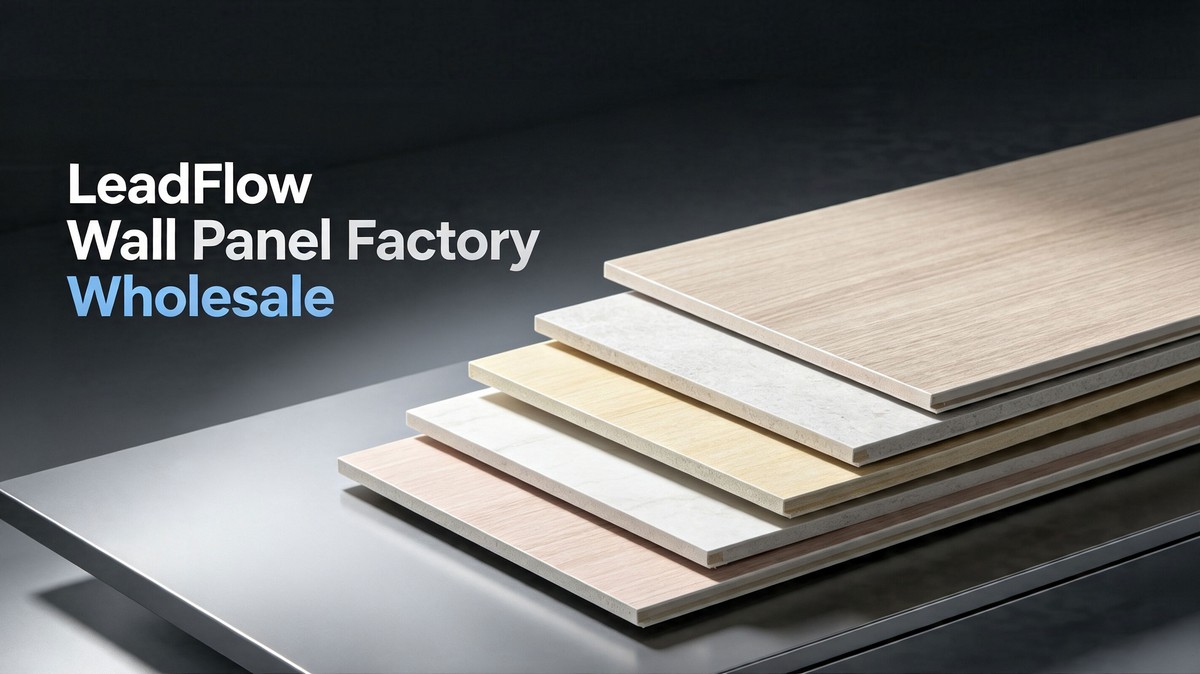
2. Carbon crystal surface treatment and lamination. In the defining step of the process, decorative PET films or carbon-infused coatings are bonded to the core under high temperature and pressure. Advanced facilities use automated lamination lines with controlled tension and temperature curves to prevent bubbling, delamination, or color variation between batches.
3. Cutting, grooving, and profiling. Precision saws and CNC equipment cut panels to size and machine popular surface formats — flat large-format boards as well as fluted and grooved designs whose shadow-line aesthetics align with the broader WPC fluted wall panel trend in contemporary interior design.
4. Quality inspection and testing. Reputable factories test thickness tolerance, surface adhesion, impact resistance, and fire performance, while verifying formaldehyde emissions against standards such as E1 or stricter limits. Batch sampling, in-line vision inspection, and documented traceability distinguish professional operations from low-cost workshops.
5. Packaging and export readiness. Because panels are large-format and surface-sensitive, protective packaging — corner guards, film wrapping, and reinforced pallets — plays a direct role in reducing transit damage claims, particularly on long-distance export shipments.
A notable structural feature of this industry is that many carbon crystal producers are diversified decorative panel manufacturers rather than single-product specialists. A WPC Wall Panels supplier with established extrusion and film-lamination capability can extend into carbon crystal lines with modest additional investment, while a UV Marble Sheet manufacturer can leverage existing PET lamination and printing expertise to produce matching carbon crystal finishes. For buyers, this convergence means the most capable factories can coordinate color consistency and specification alignment across multiple panel categories within a single production system.
Market Dynamics: How Carbon Crystal Panel Factories Compete in a Multi-Category World
Competition among carbon crystal wall panel factories is increasingly portfolio-based rather than product-based. Carbon crystal panels compete for the same wall surfaces as SPC wall panels, WPC fluted boards, and UV marble sheets — yet in practice these categories complement one another, and leading manufacturers position them as a coordinated system rather than as substitutes.
For wholesale buyers, this convergence is changing sourcing behavior. Procurement teams that once consolidated orders through SPC Wall Panel wholesale channels now seek suppliers able to quote mixed-container programs — carbon crystal panels for feature walls, SPC for wet-area cladding, and UV marble sheets for decorative accents — from a single origin. Factories that support such mixed loading, unified color systems, and harmonized certifications hold a clear advantage in winning long-term distribution agreements.
Price pressure remains intense at the commodity end of the market, where thin-film panels and low-density cores compete almost purely on cost. At the same time, a widening quality divide is emerging: demand for certified, high-performance panels with verified fire ratings, low emissions, and documented durability is growing fastest in Europe, North America, and the Gulf region, where project specifications and building codes demand supporting documentation.
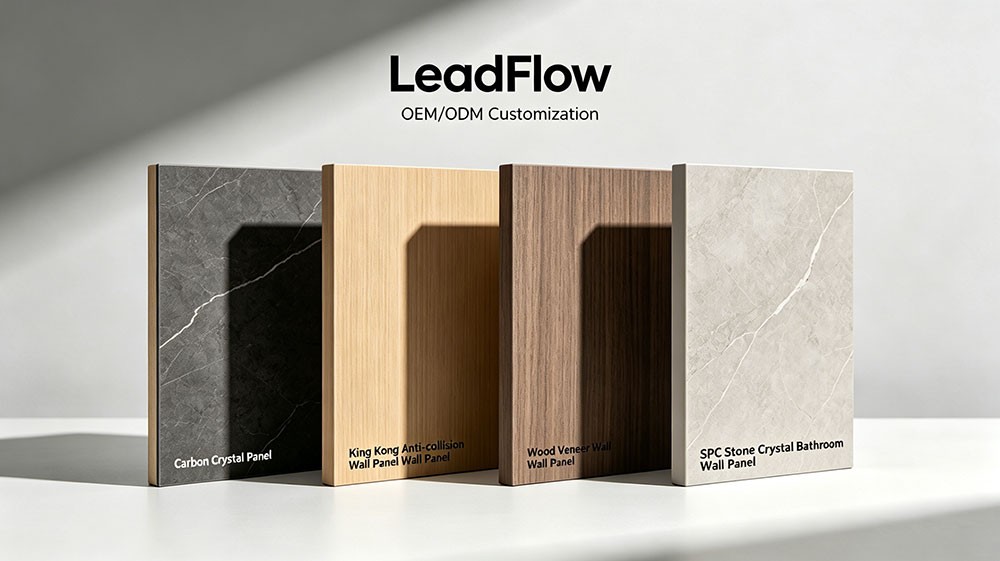
Factory selection criteria are evolving accordingly. Beyond quotation and lead time, professional buyers now evaluate production capacity and automation level; certification portfolio, including CE, ISO, fire, and emission test reports; OEM/ODM flexibility covering custom colors, textures, and packaging; sample-to-batch consistency; and after-sales support for claims and technical guidance. For readers weighing carbon crystal against alternative materials, a full decorative wall panel material comparison offers useful category-by-category context.
Conclusion and Outlook
The rise of the carbon crystal wall panel reflects a broader shift in the decorative building materials industry toward durable, certified, and design-led wall solutions. Factories that treat the product as a system — from core formulation to film lamination to export compliance — are earning durable positions in global supply chains, while low-specification producers face mounting pressure from both regulation and buyer scrutiny.
Looking ahead, three developments seem set to shape the category. First, deeper automation and digital inspection will raise baseline quality and narrow the gap between leading and average plants. Second, sustainability — recycled content, low-emission chemistry, and recyclable packaging — will move from marketing language to procurement requirement. Third, multi-category supply will consolidate further, with carbon crystal lines operated alongside SPC, WPC, and UV marble production under unified quality systems. For global buyers, the practical takeaway is clear: the strongest sourcing partners will be those that combine category breadth with verifiable production discipline.
FAQ
Q: What is a carbon crystal wall panel made of?
A: A carbon crystal wall panel typically consists of a rigid core board — often calcium silicate–based or fiber-reinforced — with a surface layer treated with carbon crystal material and finished with a PET decorative film or UV-cured coating. This structure delivers high surface hardness, waterproofing, flame retardancy, and low formaldehyde emissions.
Q: How does a carbon crystal wall panel differ from SPC or WPC wall panels?
A: SPC wall panels use a stone-plastic composite core that emphasizes rigidity and water resistance, while WPC panels use a wood-plastic composite favored for fluted textures and warm aesthetics. Carbon crystal panels focus on a hard, matte, scratch-resistant surface achieved through carbon-enhanced treatment and film lamination. Many factories produce all three categories, and buyers often combine them within a single project.
Q: What should buyers look for when choosing a carbon crystal wall panel factory?
A: Key criteria include the certification portfolio (CE, ISO, fire, and emission test reports), automation level of lamination lines, sample-to-batch color consistency, OEM/ODM customization capacity, protective export packaging, and the ability to support mixed-container orders alongside related categories such as SPC, WPC, and UV marble sheets.
Q: Are carbon crystal wall panels suitable for commercial projects?
A: Yes. Their scratch resistance, flame-retardant options, low-maintenance surfaces, and fast installation make them well suited to hotels, offices, retail spaces, and residential feature walls — provided the specified product carries the fire classification and emission documentation required by local building codes.
Ready to elevate your next project? Get free samples today and experience the quality firsthand.