The surge of linear, three-dimensional interior design has turned the fluted wall panel from a niche decorative accent into a mainstream specification across hospitality, retail, residential, and commercial projects worldwide. For distributors, contractors, and design-build firms, selecting a dependable WPC Fluted Wall Panels supplier is no longer a routine procurement task—it is a strategic decision that shapes product consistency, installation efficiency, and end-customer satisfaction. This article examines why fluted WPC profiles are growing so quickly, what separates qualified suppliers from opportunistic traders, and how adjacent categories such as SPC, carbon crystal, and UV marble surfaces fit into a modern sourcing strategy.
Key Takeaways
• Fluted WPC wall panels combine decorative depth with moisture resistance, termite resistance, and low maintenance, driving adoption in hotels, offices, retail spaces, and residential feature walls.
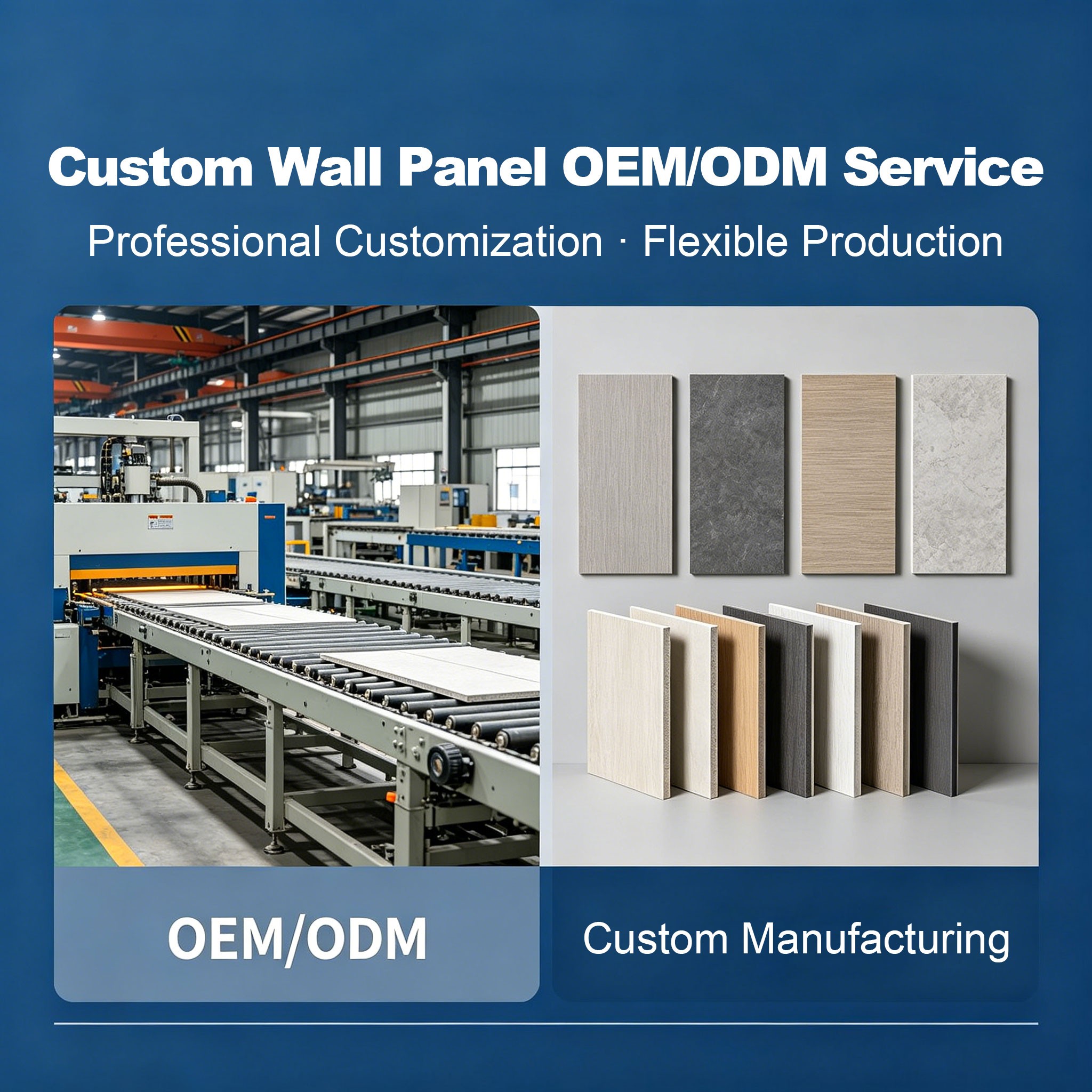
• A credible WPC Fluted Wall Panels supplier should demonstrate controlled material formulation, in-house extrusion capability, certified quality management, and stable OEM/ODM capacity.
• Leading exporters increasingly operate as multi-category hubs, pairing fluted WPC programs with SPC Wall Panel wholesale supply, carbon crystal boards, and UV marble sheets to enable mixed-container sourcing.
• Buyers who verify formulation, certifications, packaging, and logistics terms consistently reduce defect rates, color variation, and project delays.
Why Fluted WPC Panels Are Reshaping Interior Wall Cladding
Fluted WPC wall panels have become one of the fastest-growing segments in interior surface decoration because they deliver what designers describe as architectural rhythm—repeating vertical grooves that create shadow lines, visual height, and a premium tactile feel at a fraction of the cost of solid timber slats. The effect pairs naturally with linear lighting, metal trims, and minimalist furniture schemes, which explains the category's visibility in hotel lobbies, restaurant feature walls, office reception areas, apartment TV walls, and boutique retail fit-outs around the world.
Underneath the aesthetic appeal sits a practical material story. WPC—wood-plastic composite—blends wood fiber or wood flour with thermoplastic polymers and performance additives. Compared with natural wood slat walls, a well-formulated WPC panel resists moisture absorption, warping, insect attack, and rot, making it viable in humid climates and semi-wet zones such as en-suite bathrooms and covered balconies. Compared with lightweight decorative PVC, quality WPC offers superior rigidity, a denser feel, and better dimensional stability across temperature swings. Most profiles ship with tongue-and-groove or clip-based fixing systems, allowing crews to cover large feature walls quickly without wet trades or lengthy drying times.
Sustainability expectations are also reshaping the segment. Many manufacturers now incorporate recycled polymer and reclaimed wood fiber into their compounds, and buyers increasingly request documentation on recyclability, emissions, and responsible sourcing. As covered in most WPC wall cladding installation guides, correct acclimatization, expansion gaps, and substructure preparation remain essential to long-term performance—details that a professional supplier communicates proactively rather than leaves to chance. This momentum has widened supplier portfolios as well: factories that once ran a single extrusion program now build multi-category catalogs so that global buyers can consolidate purchases in one shipment.
How to Evaluate a WPC Fluted Wall Panels Supplier: A Practical Framework
Selecting the right WPC Fluted Wall Panels supplier comes down to five verifiable pillars: formulation control, manufacturing capability, regulatory compliance, supply reliability, and commercial flexibility. Buyers who work through a structured supplier evaluation checklist—rather than judging by catalog photos or unit price alone—avoid the most common failure modes in this category: color drift between batches, brittle profiles in cold climates, surface fading under UV exposure, and shipment delays during peak export season.
Formulation and material control. The durability of a fluted panel is decided long before extrusion begins. Ask prospective partners about the ratio of wood fiber to polymer, whether virgin or recycled resin is used, and which UV stabilizers and impact modifiers are added. Consistent profile density and weight per meter are stronger indicators of quality than marketing claims, and suppliers that run in-line weight monitoring while retaining sealed batch samples can typically guarantee tighter consistency across repeat orders.
Manufacturing depth and tooling. A capable supplier maintains a broad mold library—narrow slats, wide grooves, wave and curved flutes, matched corner trims—and can open new tooling for OEM projects. In-house extrusion lines, co-extrusion surface capability, and controlled cooling and cutting processes all point to a genuine factory rather than a trading intermediary. This is also where cross-category strength matters: a facility that doubles as a Carbon Crystal Wall Panel factory or runs an SPC line usually demonstrates the process discipline—precise dosing, temperature control, and QC checkpoints—that transfers directly to WPC output.
Compliance documentation. For European destinations, request CE marking support and fire classification test reports under EN 13501-1; for North American projects, surface burning characteristics per ASTM E84 are commonly specified. ISO 9001 certification signals a managed quality system, while VOC and formaldehyde emission reports address indoor air quality requirements in residential and hospitality specifications. A serious supplier produces these documents without prompting and updates them as standards evolve.
Supply reliability and logistics. Fluted panels are long, light, and volume-heavy, so packaging quality largely determines how much of a container arrives sellable. Look for reinforced corner protection, film wrapping, and palletized loading, and confirm how the supplier calculates container loading for mixed profiles. Realistic production lead times, transparent scheduling during peak months, and clear Incoterms—FOB, CIF, or DDP—are as important as the quoted unit price.
Commercial flexibility. Minimum order quantities, private-label packaging, mixed-SKU containers, and responsive handling of transit damage separate long-term partners from transactional vendors. Distributors building a regional brand should also confirm whether the supplier provides sample programs, marketing assets, and territory exclusivity arrangements.
Beyond WPC: Building a Multi-Category Wall Panel Sourcing Strategy
Mature buyers rarely source wall decoration as a single product line. The modern wall panel market is an ecosystem of complementary categories, and the strongest partners—or the strongest sourcing platforms—can orchestrate them together. Three adjacent categories matter most when evaluating a WPC-focused supplier.
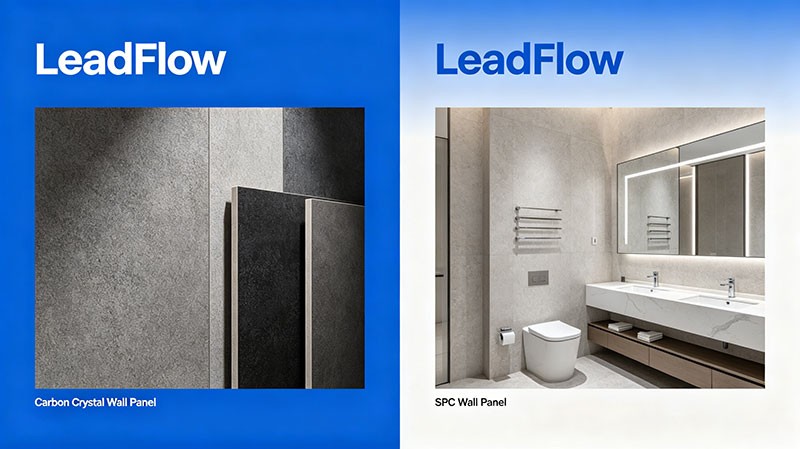
SPC wall panels. Stone-plastic composite pairs PVC with calcium carbonate to create a rigid, dimensionally stable core. Buyers who source through an SPC Wall Panel wholesale program typically target high-traffic commercial interiors where impact resistance and flatness matter more than wood-like texture. SPC fluted and slat variants complement WPC ranges by covering budget-sensitive retail chains, rental housing, and public-space programs where cost per square meter is decisive.
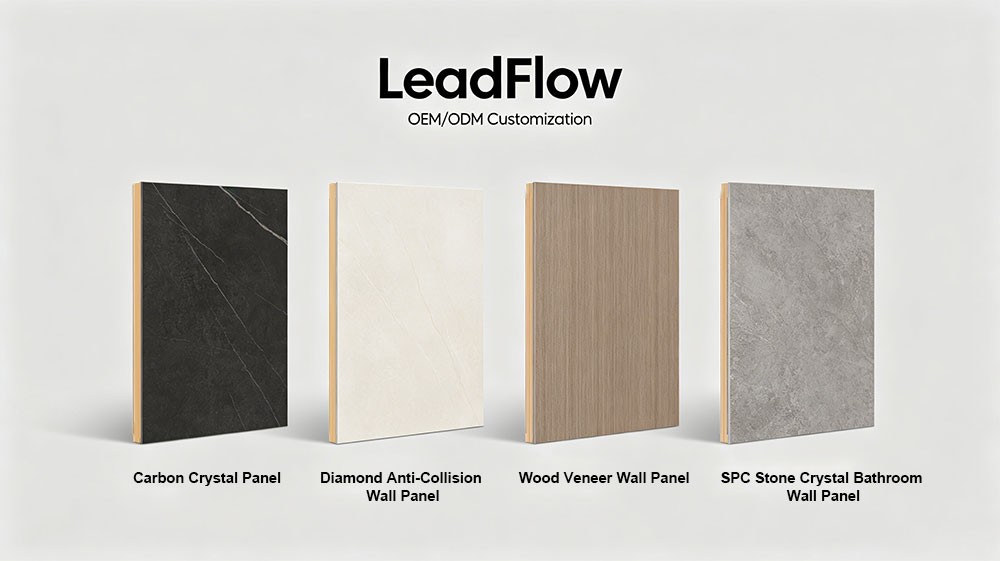
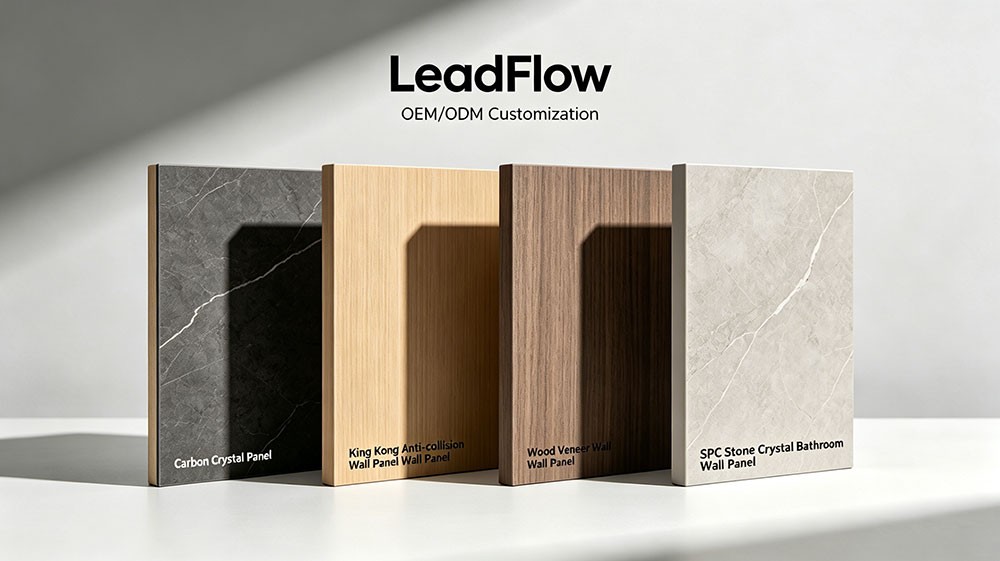
Carbon crystal boards. The carbon crystal wall panel is a newer premium category: a high-density panel valued for its hardness, formaldehyde-free formulation, and its ability to carry high-gloss, matte, or stone-look finishes. Sourcing from an established Carbon Crystal Wall Panel factory gives designers a solution for statement walls where wood texture is not the desired language—modern minimalist living rooms, kitchen feature walls, and whole-house renovation packages. Key differentiators to verify include panel density, edge banding quality, and cutting accuracy.
UV marble sheets. A UV Marble Sheet manufacturer produces large-format PVC-based sheets coated with UV-curable lacquer and printed with realistic marble veining. These sheets deliver the visual language of natural stone at a fraction of the weight and cost, and they are widely specified for hotel reception desks, bathroom wall surrounds, column cladding, and furniture fronts. Pairing UV marble accents with fluted WPC textures has become a signature combination in contemporary interiors—grooved warmth set beside polished stone effect.
Consolidating these categories through one accountable partner offers tangible advantages: mixed-container loading that improves freight economics, unified quality standards across finishes, and coordinated color matching between wood-tone flutes and marble-look surfaces. Whether buyers work directly with a multi-line factory or through a sourcing platform, the evaluation logic stays the same as for WPC alone—verify the material, verify the certificate, verify the logistics.
Conclusion and Outlook
The fluted WPC segment is transitioning from rapid growth to disciplined maturity. The next phase is likely to be defined by co-extruded, color-fast surfaces; fire-rated formulations engineered for public buildings; certified recycled content; and deeper integration across categories as WPC, SPC, carbon crystal, and UV marble programs converge under unified quality systems. For buyers, the implication is clear: the value of a WPC Fluted Wall Panels supplier will increasingly be measured not by catalog breadth alone, but by formulation transparency, certified compliance, and the ability to deliver a coordinated multi-material wall solution on schedule. Distributors and contractors that build rigorous verification habits now will be best positioned as specification standards rise across global markets.
FAQ
Q: What should I look for when choosing a WPC fluted wall panels supplier?
A: Prioritize verifiable factors over price alone: material formulation and density consistency, in-house extrusion capability, ISO 9001 certification, fire classification and VOC emission reports for your destination market, protective packaging standards, and flexible OEM/ODM terms. Requesting pre-shipment samples and retaining sealed reference samples for each order is a widely used safeguard.
Q: Can WPC fluted wall panels be used in bathrooms and humid climates?
A: Yes. Because the wood fiber is encapsulated in a thermoplastic matrix, quality WPC panels resist moisture, rot, and termites, making them suitable for humid interiors and many semi-wet applications. Sealing cut edges, leaving correct expansion gaps, and ensuring ventilation behind the panels remain important, so always follow the supplier's installation guidance for wet zones.
Q: How do WPC fluted panels compare with SPC, carbon crystal, and UV marble alternatives?
A: WPC offers a warm, wood-like texture and good moisture resistance at a mid-range price, ideal for feature walls and ceilings. SPC is denser and more impact-resistant, which is why many commercial buyers source through SPC Wall Panel wholesale programs for high-traffic spaces. Carbon crystal panels are a premium, high-hardness option for glossy statement walls, while stone-look surfaces are typically supplied by a UV Marble Sheet manufacturer. Many projects deliberately combine these categories in one space.
Q: What are typical order quantities and lead times when importing fluted panels?
A: In general industry practice, overseas orders are structured around container loads, and established suppliers commonly accept mixed profiles and colors within one shipment. Production lead times usually run several weeks from order confirmation, extending during peak export seasons. Exact minimum order quantities and schedules vary by factory capacity and tooling, so confirm both in writing before placing an order.