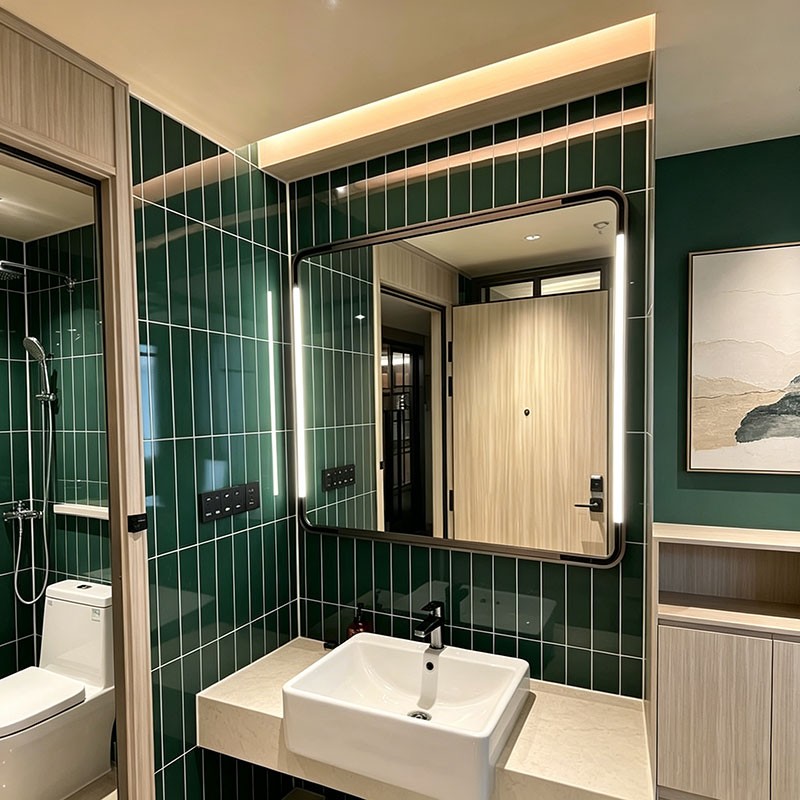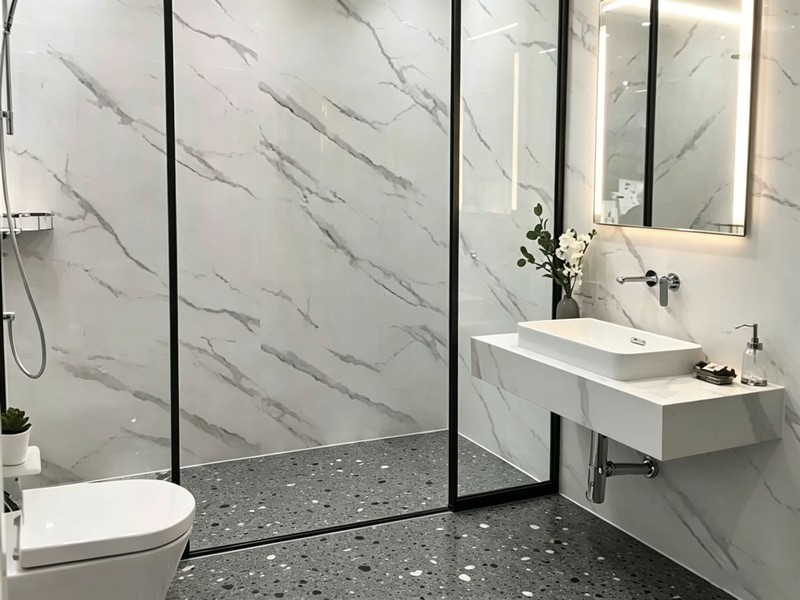
Marble has symbolized luxury in interior design for centuries, but the realities of quarrying, weight, cost, and installation have kept natural stone out of reach for many projects. A fast-growing category of decorative surfacing has changed that equation: the UV marble sheet. At the center of this shift is the UV marble sheet manufacturer — the specialized producer whose mastery of polymer chemistry, film lamination, and ultraviolet coating technology determines whether a panel captures the depth of real stone or falls into the flat, artificial look that once defined plastic imitations. This article examines how these panels are made, what separates premium output from commodity product, and how global buyers can identify a manufacturing partner worth trusting.
Key Takeaways
• A UV marble sheet is a rigid PVC-based panel decorated with a marble-pattern film and sealed with ultraviolet-cured lacquer, delivering stone-like aesthetics at a fraction of the weight and cost of natural marble.
• Product quality is determined at three critical stages: raw material compounding, decorative film lamination, and UV coating consistency.
• Many leading producers have evolved beyond single-product operations; a modern UV marble sheet manufacturer frequently also supplies WPC fluted wall panels and carbon crystal wall panels from the same production platform.
• Buyers should verify raw material transparency, coating performance data, third-party certifications, and OEM/ODM capability before committing to a supplier.
What Is a UV Marble Sheet and Why the Manufacturer Matters
A UV marble sheet is a decorative wall panel built from a rigid PVC substrate — typically a blend of PVC resin, calcium carbonate, and stabilizers — that is overlaid with a marble-veined transfer film and finished with one or more coats of lacquer cured under ultraviolet light. The result is a lightweight, waterproof, and dimensionally stable sheet, commonly produced in thicknesses of roughly 2 to 4 millimeters, that reproduces the veining and gloss of quarried stone without the brittleness, sealing requirements, or installation costs of the real material.
The defining advantage of the category lies in the curing process. Because ultraviolet lacquer hardens within seconds under UV lamps rather than drying slowly in air, the surface develops high hardness, strong gloss retention, and excellent resistance to stains and scratches. This is a genuine cause-and-effect relationship: the instant curing mechanism is what allows mass production at consistent quality, and it is precisely where the skill of the manufacturer shows. Uneven coating application, incorrect lamp intensity, or contaminated lacquer will produce panels that yellow, cloud, or delaminate within a few years — defects invisible at the point of sale but costly for distributors and contractors downstream.
The market context is equally important. Demand for marble-look surfaces has expanded well beyond luxury hospitality into residential renovation, retail fit-outs, offices, and multi-family housing, driven by rising labor costs and the speed advantage of large-format panel installation. Notably, this growth has occurred alongside the rise of adjacent wall panel categories. Many companies that established themselves as a WPC Wall Panels supplier have added UV marble sheets, SPC panels, and carbon crystal boards to their catalogs, reflecting a broader convergence in the interior wall cladding industry toward integrated decorative panel portfolios — a topic our WPC wall panel comparison explores in detail.
Inside the Production Line: How a UV Marble Sheet Manufacturer Works
Manufacturing a UV marble sheet follows a linear and tightly controlled sequence, and each stage has a direct, measurable impact on the finished panel. Understanding this process gives buyers a practical framework for evaluating any prospective supplier.
Stage 1 — Raw material compounding. Production begins with blending PVC resin, calcium carbonate filler, processing aids, and stabilizers into a uniform compound. The formulation ratio governs the panel's density, rigidity, and impact strength. Premium manufacturers favor virgin PVC resin and control filler levels carefully, because an excessive calcium carbonate share produces brittle sheets that crack during transport or cutting. Reputable producers treat their formulation as core intellectual property yet can typically disclose the general composition to serious buyers.
Stage 2 — Sheet forming. The compound is extruded or calendered into flat sheets with tight thickness tolerances. Uniformity at this stage matters more than most buyers realize: variations of even a fraction of a millimeter translate into visible waviness after installation, particularly under raking light on large feature walls.
Stage 3 — Decorative film application. Marble veining is introduced through heat-transfer or laminated decorative films, produced with high-resolution printing to replicate the depth, translucency, and randomness of natural stone. Pattern fidelity is a key differentiator between manufacturers; low-grade films result in repetitive veining and a flat, photographic appearance, while advanced lines achieve layered realism that reads convincingly even at close range.
Stage 4 — UV coating and curing. The decorated sheet passes through rollers that apply a base coat and one or more topcoats of UV lacquer, then through curing tunnels where ultraviolet lamps harden the coating almost instantly. Higher-specification products receive multiple coats to build surface hardness and gloss depth. Because UV-cured systems contain little or no solvent, they also emit fewer volatile organic compounds during production than conventional solvent-based paints — a point increasingly relevant as environmental regulations tighten across major markets.
Stage 5 — Cutting, edging, and quality control. Finished sheets are cut to standard or custom dimensions, edge-profiled, and inspected for thickness tolerance, surface flatness, coating adhesion, and color consistency under standardized lighting. Well-run factories maintain documented inspection checkpoints at each stage rather than relying solely on final sampling, and they should be able to describe these procedures in detail when asked.
How to Evaluate a UV Marble Sheet Manufacturer Before You Buy
Choosing a UV marble sheet manufacturer is ultimately a risk-management decision. The lowest quoted price frequently carries hidden costs in defect rates, shipping damage, and after-sales disputes. Experienced importers and project buyers tend to assess candidates against a consistent set of criteria.
First, examine material transparency. Ask directly about virgin versus recycled PVC content and the filler ratio, and request samples for bending and impact testing. Second, scrutinize coating specifications: request data on lacquer layer thickness, abrasion resistance, and yellowing behavior, ideally supported by third-party reports from recognized testing bodies. Third, confirm certifications relevant to your market, such as fire classification, formaldehyde and VOC emission limits, and CE marking where applicable. Fourth, distinguish genuine factories from trading intermediaries: a manufacturer that runs its own extrusion, lamination, and coating lines can control quality at the source and typically offers better pricing stability for volume orders.
Fifth — and often overlooked — assess the breadth of the product portfolio. A supplier that also operates as a WPC Fluted Wall Panels supplier allows buyers to pair fluted accent walls with marble-look feature surfaces through a single sourcing channel, ensuring color coordination, consolidated shipping, and simpler project management. Likewise, some leading producers run a Carbon Crystal Wall Panel factory alongside their UV marble lines, a signal of sustained investment in modern decorative panel technology rather than reliance on one aging product. For buyers planning multi-category programs, reviewing a partner's full range — from WPC wall panels to UV marble sheets — is more productive than evaluating a single SKU in isolation; our detailed guide to WPC fluted wall panel applications covers this sourcing logic in greater depth.
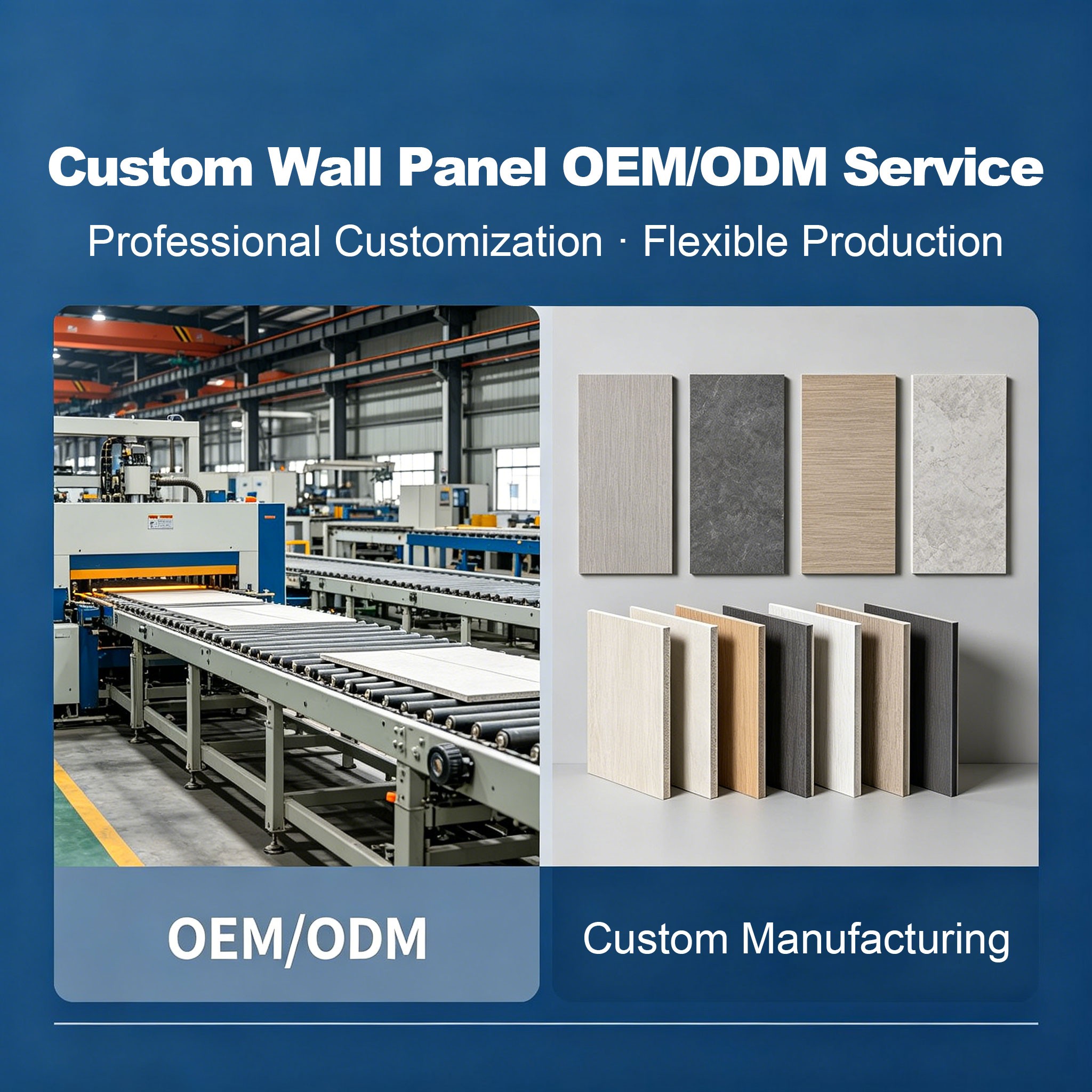
Finally, weigh commercial capability: OEM and ODM support for custom colors, sizes, and private-label packaging; minimum order quantities aligned to your volume; export packaging engineered for ocean freight, including edge protection and moisture barriers; and realistic lead times backed by a record of on-time delivery. Site visits or third-party factory audits remain the most reliable verification method, and established manufacturers will generally welcome them.
Conclusion and Outlook
The UV marble sheet has moved beyond its origins as a stone substitute to become a mainstream surface material in its own right, valued for its balance of aesthetics, performance, and cost. Looking ahead, three trends will shape the competitive landscape. Digital printing and improved film technology will continue to narrow the visual gap between engineered panels and quarried stone. Sustainability pressures — lead-free stabilizer systems, low-VOC coatings, and recyclable production offcuts — will increasingly influence purchasing decisions in Europe, North America, and beyond. And the structural convergence of wall panel categories will accelerate: the manufacturers best positioned for the next decade are those operating as integrated one-stop partners, capable of supplying UV marble sheets, WPC fluted panels, carbon crystal boards, and matching trims under consistent quality standards. For buyers, the message is clear: evaluate the factory, not just the sample.
FAQ
Q: What is a UV marble sheet made of?
A: A UV marble sheet consists of a rigid PVC substrate blended with calcium carbonate and stabilizers, a marble-pattern decorative film, and one or more protective lacquer layers cured under ultraviolet light to create a hard, glossy, stain-resistant surface.
Q: How does a UV marble sheet compare with natural marble?
A: UV marble sheets are far lighter, easier to cut and install, waterproof, and significantly less expensive than natural stone. Natural marble offers unique, one-of-a-kind veining and prestige value, while UV sheets provide consistent patterns, faster installation, and lower structural loading — making them practical for renovation and large commercial projects.
Q: Can UV marble sheets be used in bathrooms and kitchens?
A: Yes. The PVC substrate is waterproof and the UV-cured surface resists moisture and stains, making the panels suitable for bathroom walls, shower surrounds, and kitchen splashbacks. Joints should be sealed properly, and abrasive cleaners or direct open flames should be avoided to preserve the coating.
Q: How can I verify the reliability of a UV marble sheet manufacturer?
A: Request material composition disclosures, third-party test reports for fire performance and VOC emissions, physical samples for testing, and evidence of in-house extrusion and coating lines. A factory audit or virtual inspection provides the strongest verification of production capability and quality control discipline.