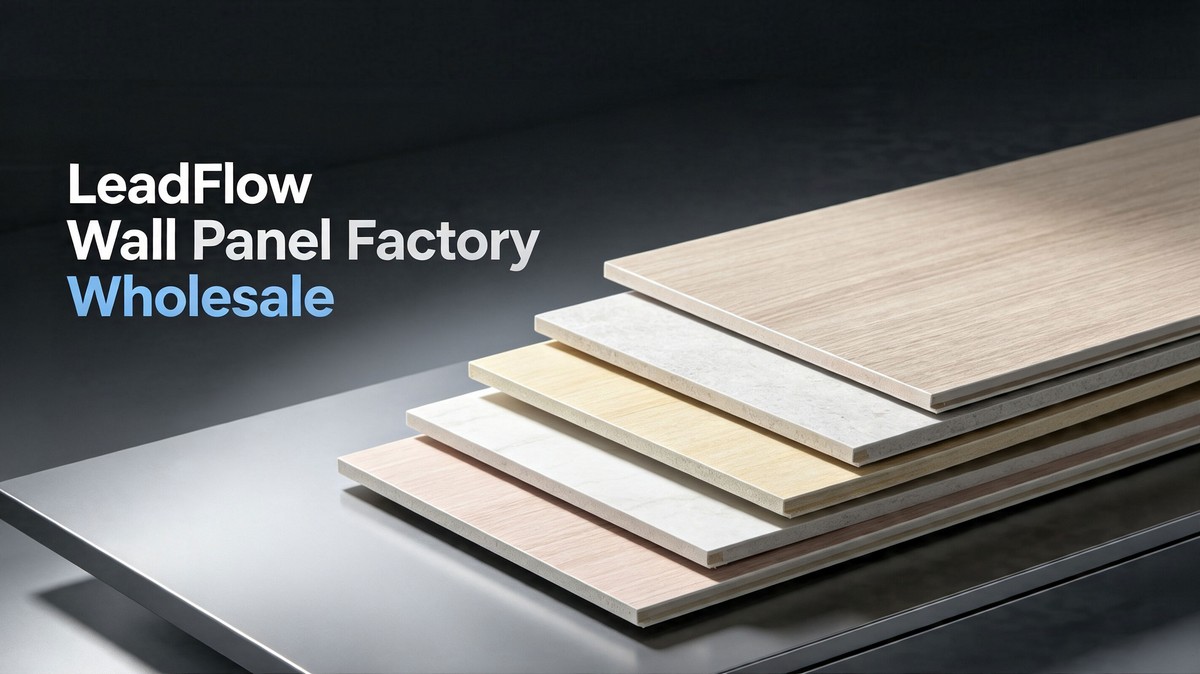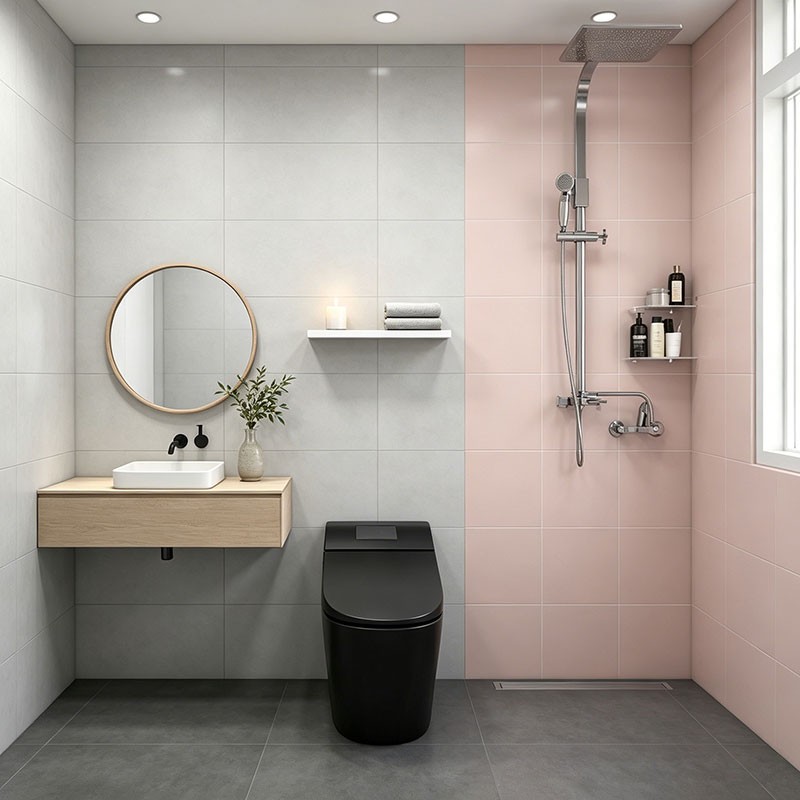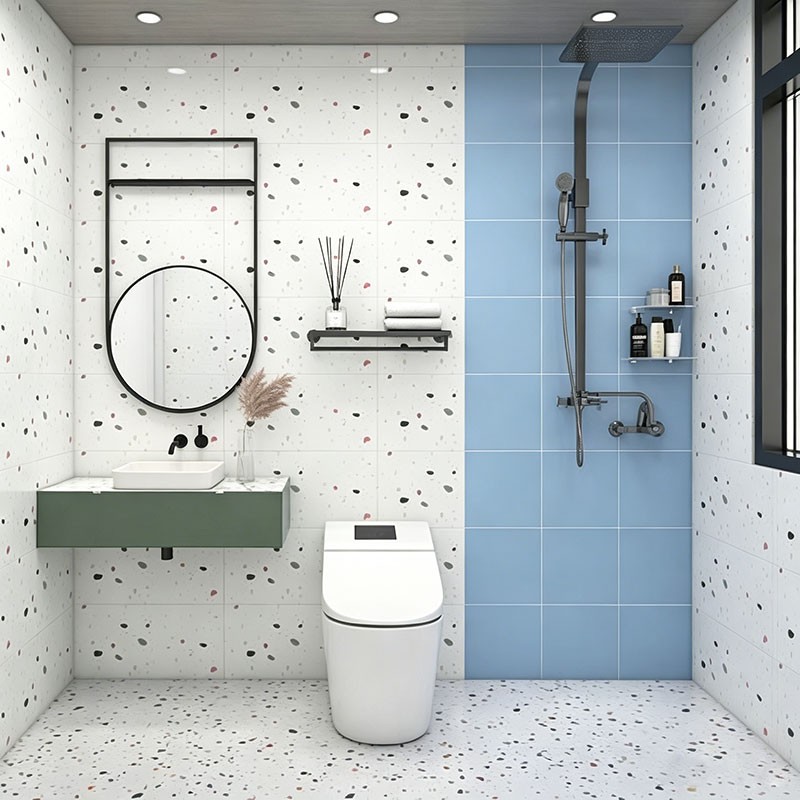
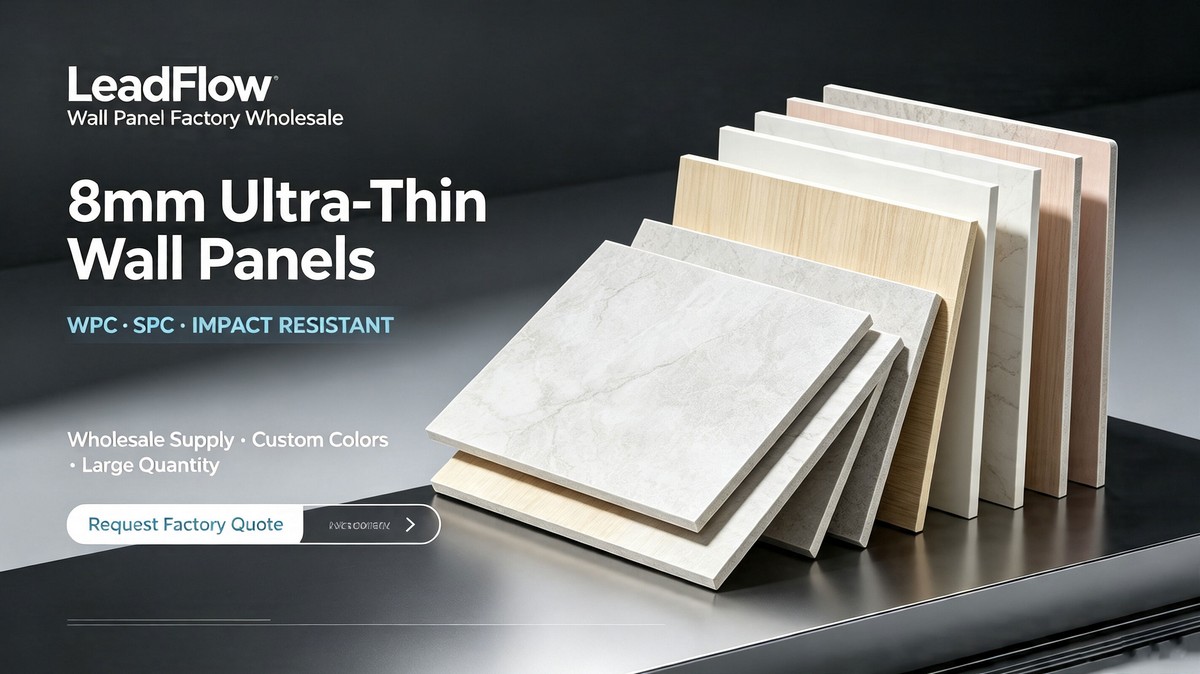
The global appetite for marble aesthetics—without the quarrying cost, heavy weight, and installation complexity of natural stone—has turned the UV Marble Sheet manufacturer into one of the most influential players in modern interior decoration. Produced by printing realistic stone veining onto a rigid PVC substrate and sealing it under ultraviolet-cured coatings, these panels now appear in residential renovations, hospitality projects, and commercial fit-outs across Asia, the Middle East, Europe, and the Americas. Yet as demand grows, so does the gap between factories that simply print patterns and manufacturers that engineer long-term performance. This article examines how a professional UV Marble Sheet manufacturer builds quality into its product, how the category connects with adjacent materials such as carbon crystal wall panels and WPC wall panels, and what global buyers should verify before committing to a supplier.
Key Takeaways
• A UV marble sheet combines a PVC-based substrate, a printed marble pattern, and UV-cured protective coatings to deliver stone-like visuals at a fraction of the weight and cost of natural marble.
• Manufacturer quality is decided on the production line: substrate formulation, coating thickness, curing consistency, and batch-to-batch color control separate premium panels from short-lived imitations.
• Leading factories increasingly operate multi-category portfolios—UV marble sheets, WPC wall panels, and carbon crystal wall panels—enabling one-stop procurement with coordinated colors and unified logistics.
• Buyers should evaluate any UV Marble Sheet manufacturer on formulation transparency, certification documentation, OEM/ODM capability, and export packaging standards rather than on unit price alone.
Inside a Modern UV Marble Sheet Manufacturer: Production and Quality Control
The production of a UV marble sheet is a layered process in which every stage directly shapes the realism, durability, and dimensional stability of the finished panel. A typical line begins with compounding: PVC resin, calcium carbonate, stabilizers, and processing aids are blended into a homogeneous formulation, then extruded or calendered into a rigid base sheet—commonly produced in widths around 1220 mm, with thicknesses that generally fall between roughly 2.5 mm and 3.5 mm depending on the application. The base sheet is primed, after which gravure printing or heat-transfer technology applies the marble veining, often reproduced from high-resolution scans of natural stone. Multiple coats of UV varnish are then rolled onto the surface and cured instantly under ultraviolet lamps, and a protective PE film is laminated last to shield the high-gloss finish during cutting, transport, and installation.
Quality control is where a serious manufacturer distinguishes itself from a commodity printer. Because the UV coating seals and protects the printed layer, insufficient coating thickness or uneven curing translates directly into premature scratching, dulling, and yellowing within months of installation. Professional factories therefore monitor coating weight, surface hardness, and adhesion through standardized tests, check flatness to prevent warping after installation, and compare color samples from different production batches under controlled lighting. Reputable producers also align formulations with international compliance frameworks—RoHS and REACH for chemical safety, together with the fire-performance classifications required by commercial building codes—and can present test documentation on request. For buyers, the practical takeaway is simple: a UV Marble Sheet manufacturer willing to share its process parameters and third-party test reports is far more likely to deliver consistent, installation-ready panels than one competing purely on price.
The Decorative Panel Ecosystem: Where Carbon Crystal and UV Marble Products Converge
UV marble sheets no longer compete in isolation; they sit inside a broader ecosystem of engineered decorative panels that modern factories produce side by side. A Carbon Crystal Wall Panel factory, for example, typically manufactures PVC-based boards whose surface layer incorporates carbon crystal powder, delivering a matte, soft-touch finish with above-average hardness, scratch resistance, and dimensional stability. Where UV marble sheets excel at glossy, light-reflecting stone realism—making them a favorite for feature walls, columns, and bathroom-adjacent applications—carbon crystal panels answer demand for understated, contemporary interiors and large-format seamless cladding. Alongside both, wood-plastic composite lines serve buyers seeking warmer, textured surfaces; the surging popularity of WPC fluted wall panel styles illustrates that shift, a trend any established WPC Wall Panels supplier will confirm.
This convergence changes how projects are sourced. Interior designers increasingly specify mixed materials within a single room—a carbon crystal media wall, UV marble accents, and fluted wood-grain slats—and expect the palettes to coordinate. Factories running multiple product lines can align color references across categories, consolidate shipments into one container, and apply a single quality standard across the entire order. For distributors and wholesalers, working with an integrated panel producer reduces supplier-management overhead and simplifies after-sales accountability. The market is clearly moving from single-product vendors toward multi-category decorative panel partners, and a UV Marble Sheet manufacturer without an extended portfolio is finding itself at a competitive disadvantage in project-based procurement.
What Global Buyers Expect From a WPC Wall Panels Supplier and Its UV Marble Counterparts
Sourcing behavior has matured alongside product technology, and the evaluation checklist applied to any decorative panel partner now extends well beyond catalog images. Whether the counterpart is a WPC Wall Panels supplier, a carbon crystal specialist, or a UV Marble Sheet manufacturer, experienced importers tend to probe the same fundamentals:
• Formulation transparency — the ratio of PVC resin to calcium carbonate affects rigidity, impact strength, and long-term warping resistance, so credible factories disclose their substrate specifications.
• Customization capability — digital printing and flexible coating lines enable OEM veining, custom sizes, and private-label packaging, which matter to brands building differentiated catalogs.
• Compliance documentation — chemical-safety reports, fire-classification evidence, and low-VOC statements are increasingly requested by regulators and project consultants in Europe, North America, and the Gulf region.
• Export readiness — corner protection, edge guarding, reinforced palletizing, and moisture-aware packaging determine whether panels arrive flat and defect-free after weeks at sea.
Several sourcing trends are reshaping the category. Custom marble patterns generated from digital artwork are replacing one-size-fits-all catalogs, allowing designers to match veining to a project's palette. Wider panels and book-matched layouts are reducing visible seams on large feature walls, while matte, soft-touch carbon crystal wall panel finishes keep gaining ground in living-room and bedroom applications. Fire-retardant and low-emission grades are becoming baseline requirements for hospitality and public buildings rather than premium options, and demand growth across Southeast Asia, the Middle East, Africa, and Latin America is pushing manufacturers to shorten lead times and hold buffer stock for repeat orders. Suppliers that invest in automation, laboratory testing, and responsive OEM/ODM service are capturing a disproportionate share of this expansion.
Conclusion and Outlook
The UV marble sheet has evolved from a budget substitute for natural stone into a mainstream decorative material in its own right, and much of the credit belongs to the manufacturers behind it. Production discipline—precise compounding, controlled printing, and consistent UV curing—determines whether a panel keeps its gloss and clarity for a decade or dulls within a single season. At the same time, the industry's center of gravity is shifting toward integrated producers that can supply UV marble sheets, carbon crystal wall panels, and WPC profiles as a coordinated system. Looking ahead, expect deeper customization through digital and AI-assisted pattern design, greener formulations with higher recyclable content, and closer collaboration between factories and interior design platforms. For buyers, the rule of thumb will remain unchanged: judge a UV Marble Sheet manufacturer not by its showroom samples alone, but by the consistency of what ships in the tenth container.
FAQ
Q: What is a UV marble sheet made of?
A: A UV marble sheet consists of a rigid substrate made primarily from PVC resin and calcium carbonate, a printed layer that reproduces natural marble veining, and one or more UV-cured coating layers that provide gloss, hardness, and stain resistance. A removable protective film is applied on top for handling and transport.
Q: How does a UV marble sheet compare with natural marble?
A: Compared with natural marble, UV marble sheets are far lighter, thinner, and more affordable, and they install quickly with adhesive and trim systems without the sealing and structural load considerations that stone requires. Natural stone still offers greater heat resistance and authentic depth, so UV marble sheets are best understood as a high-value decorative alternative rather than a structural equivalent.
Q: Can one factory supply UV marble sheets together with carbon crystal and WPC wall panels?
A: Yes. Many large-scale factories in the decorative panel sector operate multiple production lines, allowing them to supply UV marble sheets, carbon crystal wall panels, and WPC wall panels under one roof. Buyers should still verify that each product line maintains its own quality controls, because multi-category capability does not automatically guarantee uniform quality across categories.
Q: What should buyers check before placing a bulk order?
A: Request samples from a current production batch rather than showroom pieces, confirm substrate thickness and UV coating specifications in writing, review chemical-safety and fire-performance documentation, inspect export packaging methods, and define flatness and color-tolerance acceptance criteria before shipment.