Comprehensive Guide to Installing Carbon Crystal Wall Panels for Project Applications
Compared to ceramic tiles and natural stone, installing carbon crystal wall panels is typically faster and cleaner. However, in B2B engineering projects, installation should never be treated as a simple DIY task. Before placing orders or issuing quotations, contractors, distributors, and project buyers must verify wall conditions, installation methods, adhesive or clip selection, trim requirements, and the application environment.
Carbon crystal wall panels are widely used in hotels, apartments, office buildings, retail stores, bathroom dry zones, and commercial renovation projects. Their core advantages lie in dry construction, lightweight properties, and flexible fixing methods.
For project bulk sourcing or wholesale distribution, visit the LeadFlow Carbon Crystal Wall Panels main product page.
Installation Methods Overview
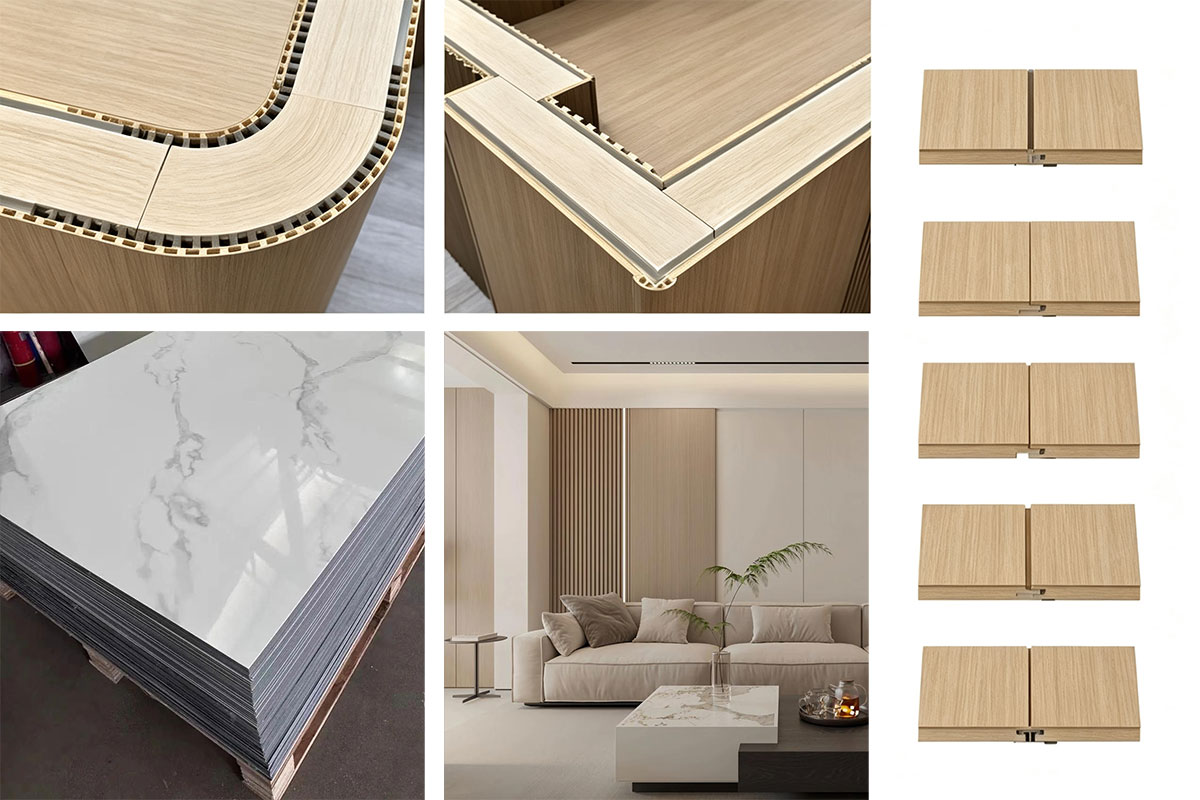
Depending on wall conditions and project requirements, several installation methods can be employed:
• Adhesive Fixing: Suitable for flat, clean, and stable walls.
• Clip/Furring Strip Assisted Installation: Ideal for walls requiring additional support or strict flatness control.
• Trim/Profile Finishing: Used for internal/external corners, edges, joints, and material transitions.
• Combined Method: Large commercial projects often utilize a hybrid approach involving adhesive, clips, and trim work simultaneously.
For importers and contractors, determining the optimal installation plan before quoting is crucial. Wall conditions directly impact labor costs, auxiliary material consumption, and the final delivery quality.
Pre-Installation Substrate Preparation (Critical Step)
Substrate preparation is the most vital phase before installation. High-quality panels cannot conceal severe wall defects. Contractors must inspect whether the wall is flat, dry, clean, and structurally stable:
• Surfaces must be free of dust, oil, peeling paint, and loose plaster.
• The substrate must be thoroughly dry before adhesive application.
• Significant bumps, cracks, and hollow areas must be repaired prior to installation.
• Use a straightedge or laser level to check wall flatness.
• In bathrooms and damp areas, inspect for leaks and moisture seepage beforehand.
For project buyers, verifying wall conditions before the final quote is essential. Uneven or damp walls will alter installation costs and auxiliary material requirements.
Tools and Auxiliary Materials
Based on the chosen installation method, standard interior wall projects require the following tools and materials:
• Measuring tape and pencil (for layout marking)
• Straightedge or laser level (for alignment)
• Cutting tools compatible with the panels
• Specialized construction adhesive or recommended bonding agent
• Clips, screws, or furring strip accessories (as required)
• Edge trims, external/internal corner profiles, and joining moldings
• Sealant (for kitchen/bathroom dry zones and exposed edges)
• Cleaning cloths and surface preparation tools
Before bulk purchasing, buyers should confirm with suppliers whether the project requires matching trims, profiles, and installation guidance.
Installation Process on Flat Walls
Installing on flat walls offers maximum efficiency and suits most apartments, hotel rooms, offices, and retail spaces. When walls meet standards, adhesive fixing significantly shortens project timelines and yields a clean finish.
1. Measure and Plan Layout: Measure wall dimensions and plan panel orientation, joint locations, and finishing areas. In commercial projects, logical layout minimizes cutting waste and ensures visual consistency across multiple rooms.
2. Verify Grain Direction: Confirm the direction of decorative patterns (e.g., marble, wood grain, stone texture) before cutting to ensure overall visual continuity.
Design Planning Reference: LeadFlow Design Guide for Interior Carbon Crystal Wall Panel Projects
3. Cut Panels and Dry-Fit: Cut panels according to the layout, accounting for sockets, corners, and edges. Dry-fitting before applying adhesive effectively prevents material waste.
4. Apply Adhesive Evenly: Apply qualified adhesive to the panel back or wall as per project specifications. Never use inferior adhesives, especially in damp environments or high-traffic commercial areas.
5. Mount and Align: Press panels firmly against the wall and immediately check for flatness. Use a straightedge to maintain vertical alignment and ensure uniform joints.
6. Edge Finishing: Use trims, profiles, or sealant to treat edges, corners, and exposed joints. Proper finishing enhances aesthetics and protects the wall system, extending its service life.
Key Points for Uneven Wall Installation
Uneven walls require special attention. Directly adhering panels to significantly irregular substrates can lead to flatness issues, visible gaps, or weak bonding. For renovation projects, contractors must survey walls thoroughly before selecting a method:
• Slight Irregularities: Localized repairs and leveling allow for subsequent adhesive fixing.
• Severe Irregularities: Consider adding furring strips, backing boards, or a clip-fixing system.
• Repair loose or damaged sections before installation.
• Apply overall leveling compounds for minor surface variations.
• Opt for furring strips or backing support for extensively uneven surfaces.
• Finalize corner and edge-finishing solutions before cutting panels.
• Allocate extra budget for labor and auxiliary materials in quotations.
For project buyers, the impact of uneven walls on total costs often exceeds the panel unit price itself. Therefore, verify wall conditions before finalizing plans.
Selection of Adhesives, Clips, and Finishing Systems
Different projects require tailored fixing and finishing solutions; do not assume a single method fits all scenarios.
• Adhesive Fixing: Ideal for flat, stable walls; the preferred choice for rapid installation in hotels, apartments, offices, and retail spaces.
• Clip/Furring Strip Assistance: Necessary for enhanced flatness control or mechanical fixing; suitable for large commercial projects or renovation sites with poor substrate conditions.
• Trims and Corner Profiles: Essential for panel edges, corners, and transitions. Distributors and contractors should include these in the project material budget rather than procuring them mid-project.
• Sealants for Damp Areas: Critical auxiliary materials for kitchen/bathroom dry zones and humid interiors. Exposed edges and joints must be thoroughly sealed to mitigate moisture risks.
Installation Notes for Bathrooms and Damp Areas
When properly installed, carbon crystal wall panels can be used in bathroom dry zones and humid indoor environments. The key is not to use them as a direct replacement for tiles in areas with constant water flow.
• Inspect walls for leaks or dampness before installation.
• Select specialized adhesives suitable for humid environments.
• Seal edges, corners, and joints meticulously.
• Avoid leaving unsealed gaps near sinks, corners, or water contact points.
• Primarily apply to bathroom dry zone walls, vanity backsplashes, and decorative surfaces in humid spaces.
For further moisture-proof guidance, refer to LeadFlow's Water Resistance Analysis and Bathroom Wall Application Guide.
Special Considerations for Commercial Projects
Commercial installations differ from small-scale residential ones. Hotels, apartments, offices, and retail projects demand unified layouts, consistent quality, and clear auxiliary material planning:
• Verify panel quantities, wastage rates, and contingency stock before ordering.
• Ensure decorative finish consistency across floors or multiple rooms.
• Execute a "sample section" before full-scale construction.
• Confirm edge, corner, and joint details before mass cutting.
• Monitor batch color consistency for large orders.
Before commencing large projects, installation teams should coordinate closely with buyers or suppliers to prevent errors like reversed grain direction, missing trims, or inconsistent joint detailing.
Common Installation Mistakes
Most installation issues stem from inadequate preparation rather than panel quality:
• Installing directly onto dusty, damp, or unstable walls.
• Neglecting wall flatness checks before quoting.
• Using inferior or incompatible adhesives.
• Cutting panels without confirming layout and grain direction.
• Omitting trim or sealant procedures in damp areas.
• Overlooking auxiliary material calculations for corners and joints.
• Applying the same method to both flat and uneven walls.
• Launching large projects without a pilot installation ("sample lead").
For hotels, apartments, and commercial spaces, conducting a small-scale trial installation before full rollout is highly recommended.
Installation Cost and Procurement Planning
Installation costs are influenced by project area, wall conditions, labor rates, auxiliary material needs, and complexity. Adhesive fixing on flat walls is typically much faster than renovation projects requiring leveling, furring strips, or additional trimming.
Buyers should evaluate panel pricing alongside installation fees and auxiliary expenses. If on-site methods become complicated due to substrate issues, opting for cheaper panels may not yield actual cost savings.
Material Budget Reference: LeadFlow Bulk Purchasing Price Guide for Carbon Crystal Wall Panels
Carbon Crystal vs. PVC Wall Panels: Installation Comparison
Both offer quicker installation than traditional tiling, but differ in finish positioning, project grade, durability expectations, and target markets:
• PVC Wall Panels: Mostly used in budget renovation projects.
• Carbon Crystal Wall Panels: Suited for projects demanding higher decorative quality and premium specifications.
Procurement Reference: Comparative Analysis of Carbon Crystal vs. PVC Wall Panels
Frequently Asked Questions (FAQ) for Project Buyers
Q: Are carbon crystal wall panels easy to install?
A: Yes, they are simpler and faster to install compared to tiles or natural stone. However, for commercial projects, always confirm wall conditions, installation plans, and auxiliary requirements before quoting.
Q: Can they be installed directly over existing walls?
A: Yes, if the existing wall is clean, dry, stable, and flat. If the wall is uneven, damp, or crumbling, it must be pre-treated to meet standards before installation.
Q: Should I use adhesive or clips?
A: Adhesive is suitable for most flat walls. Clips, furring strips, or additional support are better suited for uneven walls, large-scale projects, or scenarios requiring stronger mechanical fixation.
Q: Does bathroom installation require special treatment?
A: Yes. Bathroom dry zones and humid environments necessitate suitable adhesives and meticulous sealing of edges and joints. Without professional assessment, do not use panels in areas with constant water flow.
Q: What information should I provide suppliers when requesting a quote?
A: Provide wall conditions, project area, panel specifications, preferred finishes, installation method, auxiliary material needs, destination country, and order quantity. This enables suppliers to offer accurate recommendations and pricing.
Q: Can LeadFlow provide project installation guidance?
A: Yes. LeadFlow offers material selection advice, sample support, and technical installation guidance tailored to your project scenario, wall conditions, and specific requirements.
Conclusion for Contractors and B2B Buyers
Carbon crystal wall panels are an ideal quick-install solution for hotels, apartments, offices, retail spaces, bathroom dry zones, and commercial renovations. Achieving optimal results relies on standardized substrate preparation, appropriate fixing methods, professional finishing techniques, and meticulous edge sealing.
Prior to order confirmation, project buyers must verify wall conditions and the installation environment to prevent material mismatches, missing accessories, and pricing inaccuracies.
Need installation guidance, catalogs, samples, or a project quotation?
Contact LeadFlow for your bespoke carbon crystal wall panel solution. Please provide: wall conditions, project area, application scenario, preferred finishes, order quantity, and destination country, enabling us to precisely match products and installation strategies for you.