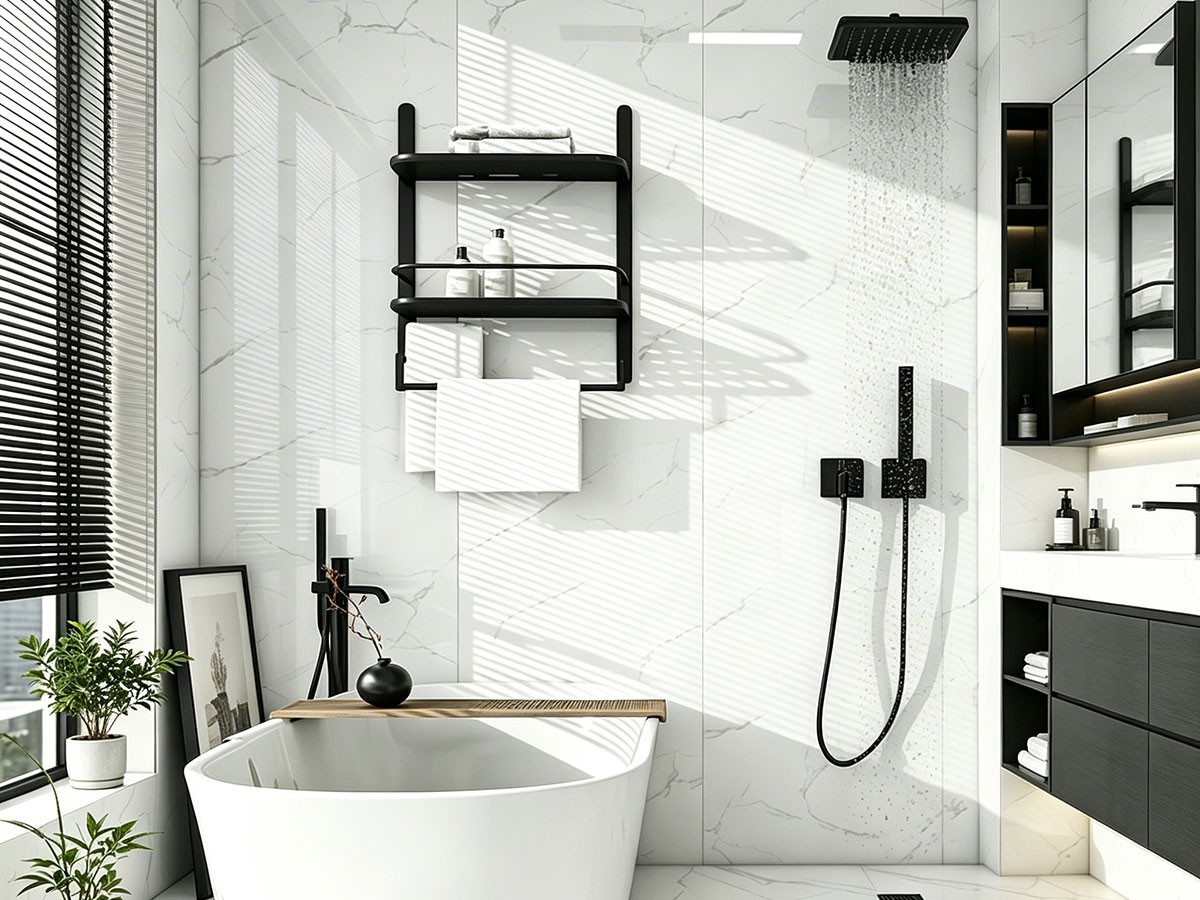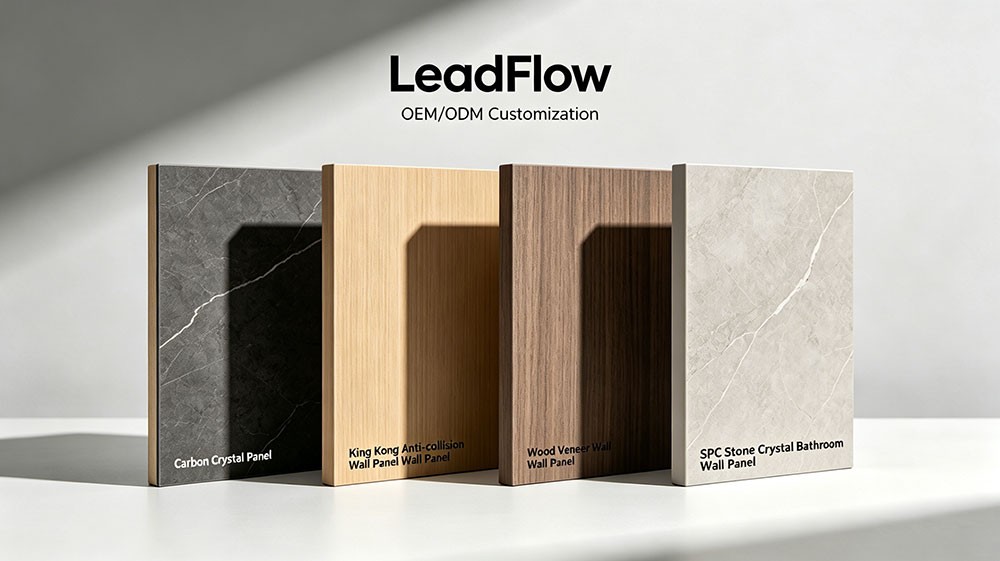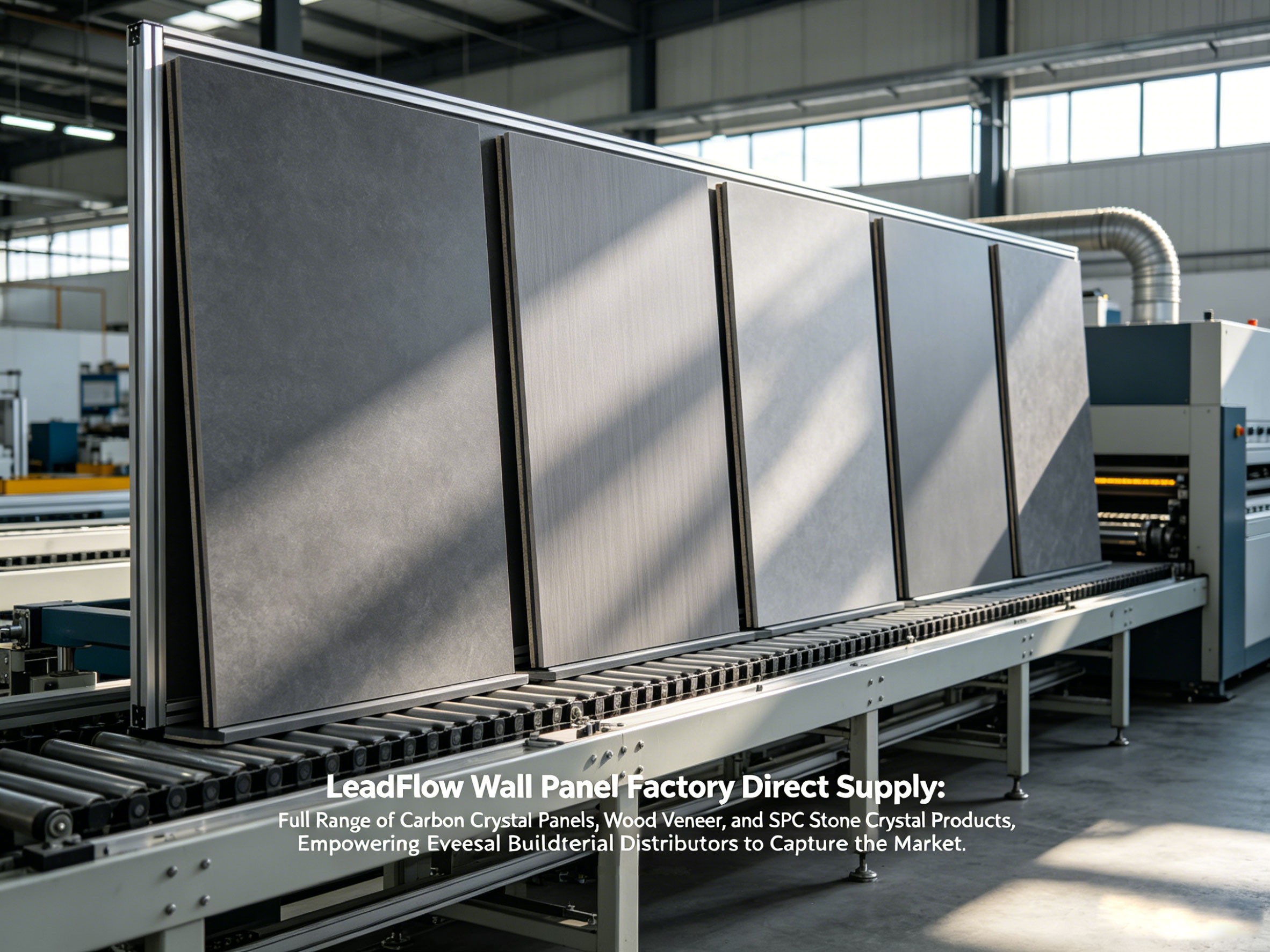
Across global interior decoration markets, sourcing attention is shifting decisively toward engineered, factory-finished wall surfaces, and the Carbon Crystal Wall Panel factory has become one of the most closely watched players in this transition. Combining polymer-mineral compounding, heat lamination, and precision finishing under one roof, these facilities produce rigid decorative boards that pair a dense, dimensionally stable core with a hard, scratch- and stain-resistant film surface. For distributors, contractors, and whole-house customization brands worldwide, understanding what actually happens inside such a plant — and how it differs from a conventional WPC Wall Panels supplier — is now a practical prerequisite for informed, low-risk purchasing decisions.
Key Takeaways
• A carbon crystal wall panel is a rigid interior cladding board built on a polymer-mineral core reinforced with carbon-based additives and finished with a heat-laminated decorative film.
• Factory-level capability — compounding consistency, lamination adhesion, and emission control — matters more than headline price for fire-sensitive and high-traffic interior projects.
• Carbon crystal and WPC production lines increasingly coexist in the same plant, letting one partner act as both a Carbon Crystal Wall Panel factory and a WPC Wall Panels supplier for one-stop sourcing.
• Buyers should audit certifications, thickness tolerance, batch-to-batch color consistency, and customization capacity before committing to volume orders.
What a Carbon Crystal Wall Panel Factory Actually Produces
A carbon crystal wall panel is a rigid decorative interior board whose core is compounded from polymer resin, mineral filler, and carbon-based additives, then bonded under heat and pressure to a decorative film and protective topcoat. The category name refers to the carbon-enhanced structure of the board and its surface system rather than to any single raw material, and it signals the panel's defining traits: higher surface hardness than standard PVC panels, strong moisture resistance, dimensional stability across large formats, and a paint-free finish that arrives ready to install.
Typical output from a modern carbon crystal line includes large flat wall boards, ceiling panels, and matching components for cabinetry-style wall systems, all available in wood grain, marble, fabric, and solid-color decors. This is where the category overlaps with, yet remains distinct from, wood-plastic composites: a WPC wall panel is an extruded profile that blends wood fiber with polymer, often shaped into grooved or fluted designs, while a carbon crystal board is a flat, laminated sheet designed for seamless, large-surface applications. In practice, the two products are complementary rather than competitive, a relationship we examine further in our comparison of popular interior wall cladding materials.
Inside the Production Line: Compounding, Lamination, and Quality Control
Production quality in a carbon crystal plant is decided long before panels reach the warehouse: it is determined at the compounding, forming, and lamination stages, where small process errors compound into visible defects. The workflow generally follows five stages.
First, raw materials — polymer resin, calcium carbonate filler, stabilizers, and carbon-based additives — are weighed and blended in high-speed mixers. Blend consistency directly governs core density and flatness, which is why reputable factories use automated dosing rather than manual batching. Second, the compound is formed into base sheets through extrusion or calendering, then cooled and cut to set thicknesses, typically in the low millimeter range. Inline thickness gauges matter here: tolerance drift of even a fraction of a millimeter translates into visible shadow lines at panel joints after installation. Third, decorative PET film is bonded to the base sheet by hot-melt lamination, with temperature and pressure profiles calibrated for each film type. When bonding parameters are wrong, the failure mode is well known to importers — edge lift and delamination in humid climates or after long ocean shipments. Fourth, panels receive surface treatment such as UV-cured or wear-resistant coatings that deliver scratch and stain performance. Finally, boards are precision-cut, edge-finished, and batch-inspected for adhesion, color match, and flatness before packing.
Environmental and safety controls are now part of the factory story rather than an afterthought. Leading plants run dust collection on cutting lines, recycle edge trim back into non-visible core layers, and specify low-VOC adhesive systems to meet the emission standards demanded by North American, European, and Australian buyers. Fire performance is verified against recognized classification tests, and traceable batch records are increasingly treated as a baseline requirement for commercial and hospitality projects.
Where Carbon Crystal Lines Fit in the WPC Wall Panel Supply Chain
The rise of the carbon crystal category has not displaced WPC — it has expanded what a single manufacturing partner can offer. A growing number of factories now operate WPC extrusion lines and carbon crystal lamination lines side by side, allowing one plant to quote a full interior package: fluted accent profiles, large flat boards, trims, and matching ceiling elements. For buyers, this convergence reduces the coordination cost of multi-vendor sourcing and, importantly, improves color and texture coordination across product families.
The design trend driving this integration is easy to observe in showrooms worldwide: feature walls that combine vertical fluted texture with large-format flat panels in the same tonal family. A WPC Fluted Wall Panels supplier provides the three-dimensional rhythm of grooved profiles, while carbon crystal boards deliver the smooth, hard-wearing field surfaces around them. Projects that once ordered these two product types from separate suppliers now increasingly place combined orders — and factories able to serve both roles from a single quality system are capturing that demand. For a closer look at profile options and groove geometries, our overview of WPC fluted wall panel design applications covers the complementary side of this pairing.
How Buyers Should Evaluate a Carbon Crystal Wall Panel Factory
Selecting the right factory is ultimately a verification exercise, and a structured checklist prevents costly assumptions. Buyers preparing to qualify a Carbon Crystal Wall Panel factory should assess five areas.
Certification and compliance come first: valid fire classification reports, formaldehyde or VOC emission test results aligned with the destination market, and quality management certification indicate a plant that treats documentation as part of the product. Process capability comes second — ask whether lamination is performed on automated lines with controlled temperature and pressure curves, whether inline thickness measurement is used, and how edge trim and offcuts are handled. Third, request samples from at least two different production batches rather than a single showcase panel, then run simple field tests: a cross-hatch adhesion check on the film, a soak test to observe edge behavior, and a side-by-side color comparison for batch consistency. Fourth, evaluate customization depth — decor matching, custom sizes, private-label packaging, and willingness to hold project-specific color standards — because whole-house and hospitality programs rarely fit standard catalogs. Finally, weigh export experience: correct container loading plans, corner and edge protection, and moisture-aware packaging determine the condition in which panels arrive, not merely the condition in which they left the line.
These evaluation points also clarify a broader purchasing principle: price differences between factories usually reflect lamination quality, compounding discipline, and documentation depth. Panels from a weak line may look identical on day one and fail visibly within a single humid season, which is why experienced importers audit capability before negotiating cost.
Conclusion and Outlook
The Carbon Crystal Wall Panel factory has moved from niche novelty to a central node in the global interior wall cladding supply chain, and its trajectory points toward further professionalization. Expect wider adoption of automated lamination with inline inspection, growth in digital printing that shortens decor development cycles, and continued movement toward lower-emission adhesive systems and recycled core content as sustainability requirements tighten across export markets. Just as significant, the boundary between carbon crystal boards and wood-plastic profiles will keep blurring, as integrated plants pair flat panel capacity with fluted and profiled WPC output to serve design-led projects end to end. For global buyers, the practical conclusion is straightforward: the factory — its process control, certifications, and ability to coordinate product families — is now the product, and procurement strategies built around that reality will consistently outperform those built on catalog price alone.
FAQ
Q: What is a carbon crystal wall panel?
A: A carbon crystal wall panel is a rigid decorative interior board made from a polymer and mineral core reinforced with carbon-based additives, finished with a heat-laminated decorative film and a protective coating that provides surface hardness, moisture resistance, and stain resistance.
Q: How does a carbon crystal panel differ from a WPC wall panel?
A: WPC wall panels are wood-plastic composite profiles, often extruded into fluted or grooved shapes, while carbon crystal panels are large flat laminated boards with a harder film surface; the two are complementary, and many factories now manufacture both under one quality system.
Q: What should I check when choosing a Carbon Crystal Wall Panel factory?
A: Verify fire and emission certifications for your destination market, test lamination adhesion and thickness tolerance on samples from different production batches, confirm customization options such as color matching and custom sizes, and review the factory's export packaging and quality management practices.
Q: Are carbon crystal wall panels suitable for humid environments?
A: Yes. Because the core is polymer-mineral based and the surface is fully laminated, quality panels resist moisture and do not swell like wood-based boards, making them suitable for kitchens, bathrooms, and coastal climates when joints and edges are properly sealed during installation.