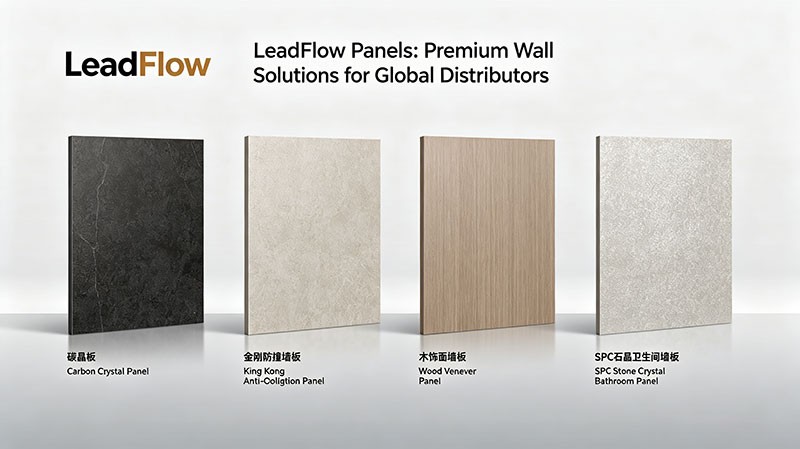
WPC Wall Panels have become a popular choice for modern construction and interior design due to their durability and aesthetic appeal. However, the true value of these panels lies not just in their initial cost but also in their long-term maintenance and total cost of ownership (TCO). This article delves into the intricacies of maintaining WPC Wall Panels and analyzes the TCO for suppliers, highlighting the importance of quality and sustainability.
Understanding WPC Wall Panel Maintenance
WPC Wall Panels are composite materials made from wood plastic composite (WPC) and are known for their resistance to moisture, insects, and fading. Despite these advantages, proper maintenance is crucial to ensure their longevity and appearance.
Regular cleaning with mild soap and water is essential to prevent dirt and grime buildup. For tougher stains, a soft brush and a non-abrasive cleaner can be used. It is important to avoid using harsh chemicals or abrasive materials that can damage the surface.
Impact of Maintenance on Total Cost of Ownership
The TCO of WPC Wall Panels is a critical factor for suppliers. It encompasses not only the initial purchase price but also installation, maintenance, and potential repairs or replacements over the product's lifetime.
Effective maintenance can significantly reduce the TCO. By preventing damage and wear, suppliers can extend the lifespan of the panels, thereby reducing the frequency of replacements and the associated costs.
Comparative Analysis with Other Wall Panel Materials
When considering the TCO, it is beneficial to compare WPC Wall Panels with other wall panel materials such as SPC Wall Panels and traditional wood panels. While SPC Wall Panels are also durable, they may require more frequent cleaning and can be more susceptible to scratches. Traditional wood panels, on the other hand, are more expensive to maintain due to their vulnerability to moisture and insects.
WPC Wall Panels offer a balanced solution, providing a lower TCO than SPC while being more cost-effective than traditional wood panels in the long run.
Key Takeaways
- Regular maintenance is essential for extending the lifespan of WPC Wall Panels.
- Effective maintenance can significantly reduce the total cost of ownership for suppliers.
- WPC Wall Panels offer a cost-effective and sustainable alternative to other wall panel materials.
FAQ
Q: How often should WPC Wall Panels be cleaned?
A: WPC Wall Panels should be cleaned regularly with mild soap and water to maintain their appearance and prevent dirt buildup.
Q: Can WPC Wall Panels be repaired if damaged?
A: Minor scratches can often be sanded out and repainted. For more significant damage, replacement panels may be necessary.
Q: Are WPC Wall Panels environmentally friendly?
A: Yes, WPC Wall Panels are made from recycled materials and are recyclable at the end of their lifespan, making them an environmentally friendly choice.
Q: How do WPC Wall Panels compare in cost to traditional wood panels?
A: WPC Wall Panels are generally more cost-effective than traditional wood panels in the long term due to their lower maintenance requirements and longer lifespan.
Conclusion & Outlook
As the demand for sustainable and durable building materials continues to grow, WPC Wall Panels are emerging as a preferred choice for suppliers and consumers alike. By focusing on maintenance and TCO analysis, suppliers can ensure they offer a product that stands the test of time and provides value to their customers.