
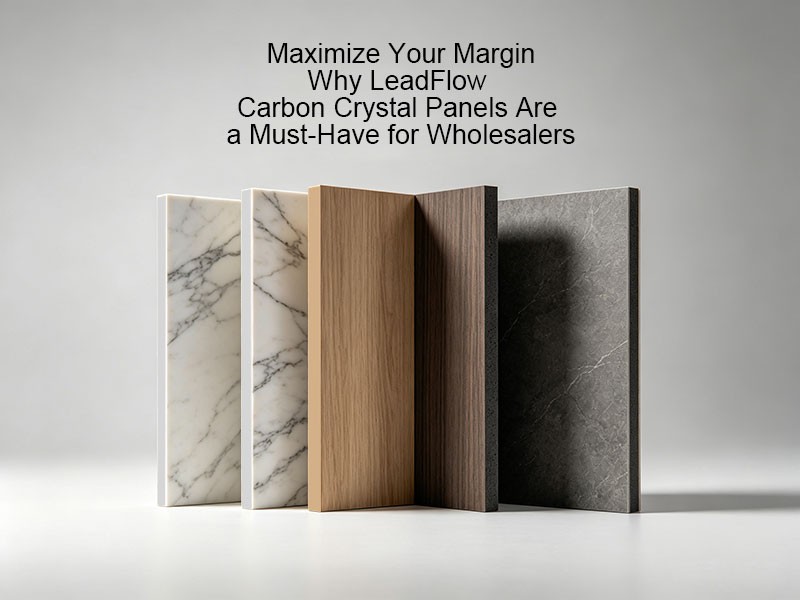
Global demand for wood-plastic composite cladding keeps expanding across residential, commercial, and hospitality projects, yet the WPC Wall Panel supply chain behind this growth has grown just as complex. For importers, distributors, and construction procurement teams, the difference between a profitable sourcing program and a costly failure often comes down to two things: how well they understand the chain — from resin compounding to container loading — and how effectively they sidestep the recurring traps of cross-border B2B procurement. This guide examines how the modern WPC wall panel supply chain is structured, identifies the five most frequent procurement pitfalls, and outlines a practical due diligence framework for building a resilient sourcing strategy.
Key Takeaways
• The WPC Wall Panel supply chain spans raw-material compounding, extrusion, surface finishing, quality control, and international logistics; visibility at each node directly reduces sourcing risk.
• The most damaging B2B procurement pitfalls are vague specifications, price-only supplier selection, unverified certifications, hidden landed costs, and weak pre-shipment inspection.
• Supplier due diligence — factory audits, golden samples, third-party testing, and contract safeguards — protects both margins and project timelines.
• Diversifying across adjacent categories such as fluted WPC profiles and decorative laminate sheets strengthens supply resilience and improves container efficiency.
Mapping the Modern WPC Wall Panel Supply Chain: From Resin to Retail
WPC wall panels are composite building materials made by blending wood fiber or wood flour with thermoplastic resins — typically PVC or polyethylene — along with stabilizers, foaming agents, and mineral fillers. Upstream formulation decisions matter more than many buyers realize: the ratio of virgin polymer to recycled content, the fineness of the wood flour, and the grade of UV stabilizers and impact modifiers largely determine a panel's dimensional stability, colorfastness, and long-term surface performance. Buyers who specify these parameters in writing gain control over quality long before production begins.
Midstream, production moves to extrusion lines, where the compounded material is shaped into solid, hollow, or foamed profiles and then finished through hot stamping, decorative film lamination, UV coating, or co-extrusion. Surface technology is a genuine differentiator rather than a cosmetic detail: it governs scratch resistance, cleanability, and how faithfully a wood-grain or marble decor film holds up under indoor lighting and daily wear. For a deeper comparison of finishing options, see our overview of wall panel surface finishing technologies.
Adjacent decorative categories increasingly share this production ecosystem. A UV Marble Sheet manufacturer typically operates PVC calendering and laminating lines that overlap significantly with wall panel production, which is why many global buyers consolidate these products with a single sourcing partner to simplify logistics and unify quality standards. Profile-specialized production follows a similar logic: a WPC Fluted Wall Panels supplier must maintain precision tooling and dedicated calibration systems to hold tight tolerances on grooved geometries — capabilities that generalist factories cannot always guarantee.
Buyers should also understand the intermediary layer. Trading companies and sourcing platforms can streamline consolidation and multilingual communication, while direct factory relationships usually offer greater pricing transparency and faster engineering support. The logistics leg is part of the supply chain, too: container loading plans, moisture-proof packaging, palletization, and Incoterms selection determine whether panels arrive on schedule and intact. Damage in transit erodes margins as surely as a factory defect.
Five B2B Procurement Pitfalls and How to Avoid Them
Most sourcing failures in the wall panel industry follow predictable patterns rather than bad luck. The five below account for the majority of disputes between overseas buyers and manufacturers.
1. Ordering on appearance instead of specification. Two panels can look nearly identical in photographs yet differ sharply in density, thickness tolerance, foaming structure, and additive content. The countermeasure is a written technical datasheet — covering dimensions, density range, surface finish, and performance requirements — agreed before the purchase order, together with sealed golden samples retained by both parties as the binding quality reference.
2. Selecting suppliers on price alone. In high-volume categories such as SPC Wall Panel wholesale programs, aggressively low quotations often signal reduced virgin polymer content, heavier filler loading, thinner wear layers, or off-grade recycled inputs. These savings resurface later as warranty claims, installation complaints, and damaged brand reputation. The professional response is a landed-cost comparison plus a request for formulation disclosure, so that quotes are evaluated on value rather than headline price.
3. Accepting certificates at face value. Fire ratings, formaldehyde and VOC emission limits, and chemical compliance requirements vary significantly across export markets. Copies of certificates circulate widely in the industry, and they do not always belong to the factory presenting them. Verify certificate numbers directly with issuing bodies, request reports that name the exact product model, and commission independent laboratory testing for critical projects — particularly where interior air-quality regulations apply.
4. Underestimating hidden costs. Tooling and mold fees for custom fluted profiles, reinforced or moisture-barrier packaging, sample courier charges, port congestion surcharges, and poor container utilization can quietly inflate total cost well beyond the quoted FOB price. Build an all-in cost model that includes freight, duties, inspection fees, and expected yield loss, and confirm who owns custom tooling before development begins.
5. Relying solely on supplier-side quality control. A supplier's internal inspection is necessary but not sufficient once order volumes scale. Define AQL-based acceptance standards, schedule pre-shipment inspections — in-house or through a third party — and tie the release of balance payments to inspection results. Clear communication protocols, including named contacts and response-time expectations, prevent small misunderstandings from becoming shipment disputes.
Building a Resilient Sourcing Strategy for Wall Panel Programs
Beyond avoiding pitfalls, leading buyers treat procurement as a system. A practical supplier vetting checklist covers business licensing and export history, whether compounding is done in-house or outsourced, the number and age of production lines, the presence of an internal laboratory, and verifiable customer references. Virtual factory tours have made this process faster, but physical audits remain the gold standard for high-volume or custom programs.
Contract architecture is equally important. Quality tolerance clauses, penalty schedules for late or non-conforming shipments, payment milestones aligned with inspection checkpoints, and explicit ownership of custom tooling and decor designs all shift risk away from the buyer. For first-time partnerships, modest deposits with balance payment after pre-shipment inspection — or documentary letters of credit for larger orders — create balanced incentives on both sides.
Resilience also comes from portfolio design. Dual-sourcing critical SKUs protects programs against regional disruptions, while consolidating complementary categories — fluted profiles, SPC boards, and decorative sheets in mixed containers — improves freight economics and reduces administrative overhead. Buyers who share rolling demand forecasts with their suppliers typically gain priority in production scheduling and earlier access to new decor launches. For related guidance, explore our article on mixed-container loading strategies for building material importers.
Finally, think beyond transactions. The most reliable WPC wall panel sourcing relationships behave like partnerships: the supplier understands the buyer's end market, flags formulation improvements proactively, and reserves capacity during peak season. That level of alignment is earned through consistent volumes, clear feedback, and fair payment behavior — not negotiated into existence at the contract stage.
Conclusion and Outlook
The WPC Wall Panel supply chain is entering a period of quiet professionalization. Digital traceability, growing demand for recycled-content disclosure, and the spread of overseas warehousing are reshaping how panels travel from extruder to project site, while product categories continue to converge around shared PVC-based production platforms. Buyers who treat procurement as an engineering discipline — documented specifications, verified partners, and inspection checkpoints built into the payment flow — will consistently outperform those who chase the lowest quotation. In an increasingly competitive global market, disciplined sourcing is no longer a back-office function; it is a durable competitive advantage.
FAQ
Q: What is the most common pitfall when sourcing WPC wall panels from overseas suppliers?
A: Ordering on appearance rather than written specifications. Visually similar panels can differ greatly in density, thickness tolerance, and additive content, which affects durability and installation performance. Agree on a technical datasheet and retain sealed golden samples as the binding quality reference.
Q: How can I verify that a supplier's certificates and quality claims are genuine?
A: Check certificate numbers directly with the issuing laboratories or certification bodies, request test reports that name the exact product model, and commission independent third-party inspection before shipment. A factory audit — virtual or on-site — remains the most reliable way to confirm real production capability.
Q: Is it practical to consolidate different wall panel products in a single container?
A: Yes. Combining items such as fluted WPC profiles, SPC boards, and decorative sheets in mixed loads is common practice and improves freight economics, provided the packaging protects against stacking pressure and moisture and the loading plan is confirmed in advance.
Q: Which payment terms best balance risk between buyers and panel manufacturers?
A: A widely used structure is a modest deposit with the balance released after pre-shipment inspection, or a documentary letter of credit for larger orders. Escrow-style arrangements can be considered for first-time partnerships until mutual trust is established.








