The world of WPC Wall Panels is evolving, and understanding the core materials at play is crucial for both manufacturers and consumers. This article delves into the comparison between two popular core materials: WPC and SPC, highlighting their unique properties and applications.
Understanding WPC Wall Panels
Wood-Plastic Composite (WPC) Wall Panels are a blend of wood fibers and plastic polymers. This combination offers a sustainable alternative to traditional building materials, with a variety of benefits.
UV Marble Sheet manufacturer often utilizes WPC for its durability and aesthetic appeal. The material is resistant to moisture, UV rays, and fading, making it ideal for exterior applications.
Properties of SPC Wall Panels
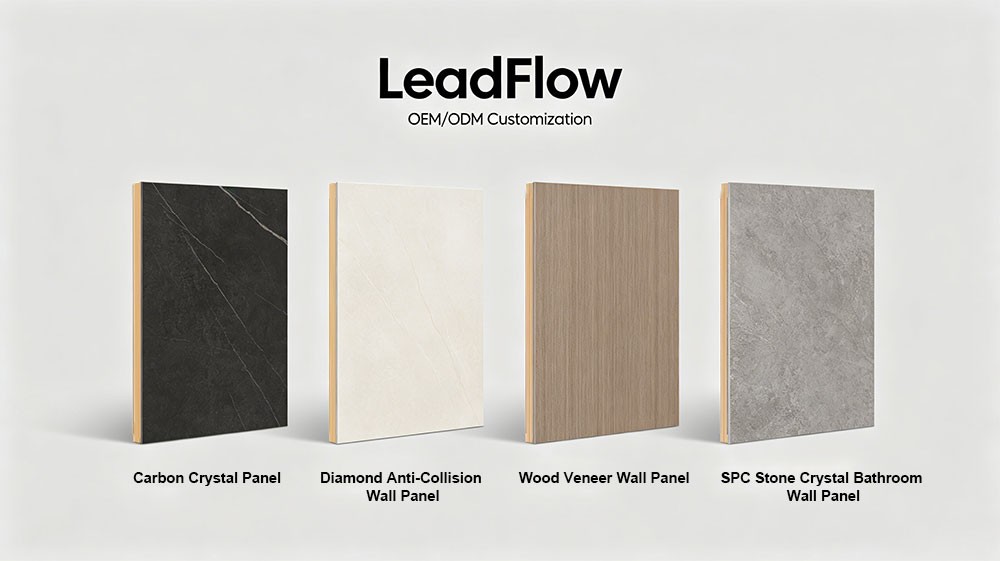
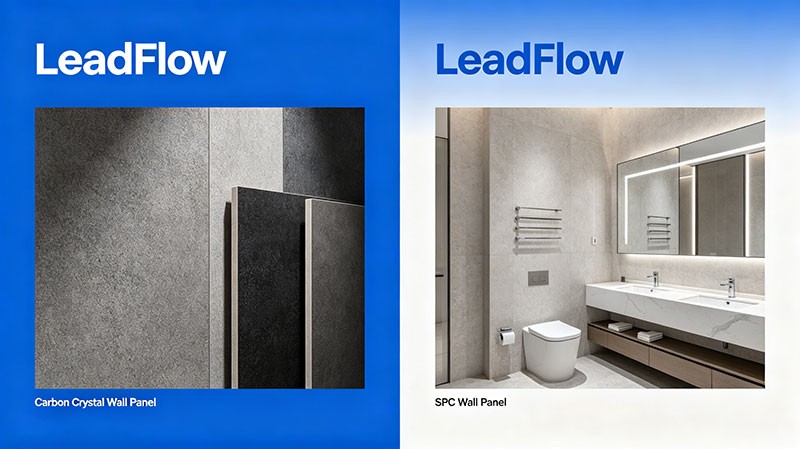
Stone Plastic Composite (SPC) Wall Panels are made from a blend of stone powder and plastic polymers. They are known for their high rigidity and excellent resistance to wear and tear.
Carbon Crystal Wall Panel factories have embraced SPC for its ability to mimic natural stone textures with remarkable precision. This material is also highly resistant to water and stains, making it a favorite for high-traffic areas.
Comparison: WPC vs. SPC
When comparing WPC and SPC, several factors come into play, including cost, installation, and environmental impact.
WPC Wall Panels supplier notes that WPC is generally more cost-effective, especially for large-scale projects. It is also easier to install and maintain, requiring minimal effort to keep it looking new.
SPC, on the other hand, is more expensive but offers superior performance in terms of durability and resistance to environmental factors. It is also more suitable for commercial spaces where high traffic and wear are expected.
Key Takeaways
- WPC is a cost-effective, sustainable alternative with ease of installation.
- SPC offers superior durability and resistance to environmental factors, suitable for high-traffic areas.
- Both materials have their unique advantages, making them suitable for different applications.
FAQ
Q: What is the main difference between WPC and SPC Wall Panels?
A: The main difference lies in their core materials and properties. WPC is a blend of wood fibers and plastic, offering sustainability and ease of installation, while SPC is made from stone powder and plastic, providing superior durability and resistance to environmental factors.
Q: Are WPC and SPC Wall Panels suitable for outdoor use?
A: Yes, both WPC and SPC Wall Panels are suitable for outdoor use due to their resistance to moisture, UV rays, and fading.
Q: Which material is more cost-effective?
A: WPC is generally more cost-effective, especially for large-scale projects, while SPC is more expensive but offers superior performance.
Q: Can WPC and SPC Wall Panels be installed on walls?
A: Yes, both WPC and SPC Wall Panels can be installed on walls, ceilings, and other surfaces.
Conclusion & Outlook
The choice between WPC and SPC Wall Panels depends on the specific requirements of the project, including budget, durability needs, and aesthetic preferences.
As the demand for high-quality, sustainable building materials continues to grow, both WPC and SPC Wall Panels are expected to play a significant role in the future of construction and interior design.
Ready to elevate your next project? Get free samples today and experience the quality firsthand.